Copy trading is a form of trading that allows you to automatically copy the trades of another trader. Instead of analyzing the financial markets yourself and manually opening and closing every position, you choose a trader or trading strategy and replicate their trades automatically in your own trading account.
The concept is simple: one trader makes the trading decisions, while the copy trading system replicates those decisions for other users.
For example, imagine that you find a trader who specializes in Forex and has developed a strategy based on technical analysis. You decide to allocate $1,000 to that trader. When the trader opens a position, your account automatically opens a corresponding position based on the amount you have allocated.
If the trader closes the position at a profit, your copied position may also generate a profit. If the trader loses money, however, your account can lose money as well.
This is an important point because copy trading is not a guaranteed way to make money. You are still exposed to the risks of financial markets, and the performance of the trader you copy can change at any time.
Copy trading has become increasingly popular because it allows people to participate in the financial markets without having to execute every trade themselves. It is available through various brokers and platforms and can be used for markets such as Forex, stocks, indices, commodities and cryptocurrencies, depending on the provider and your location.
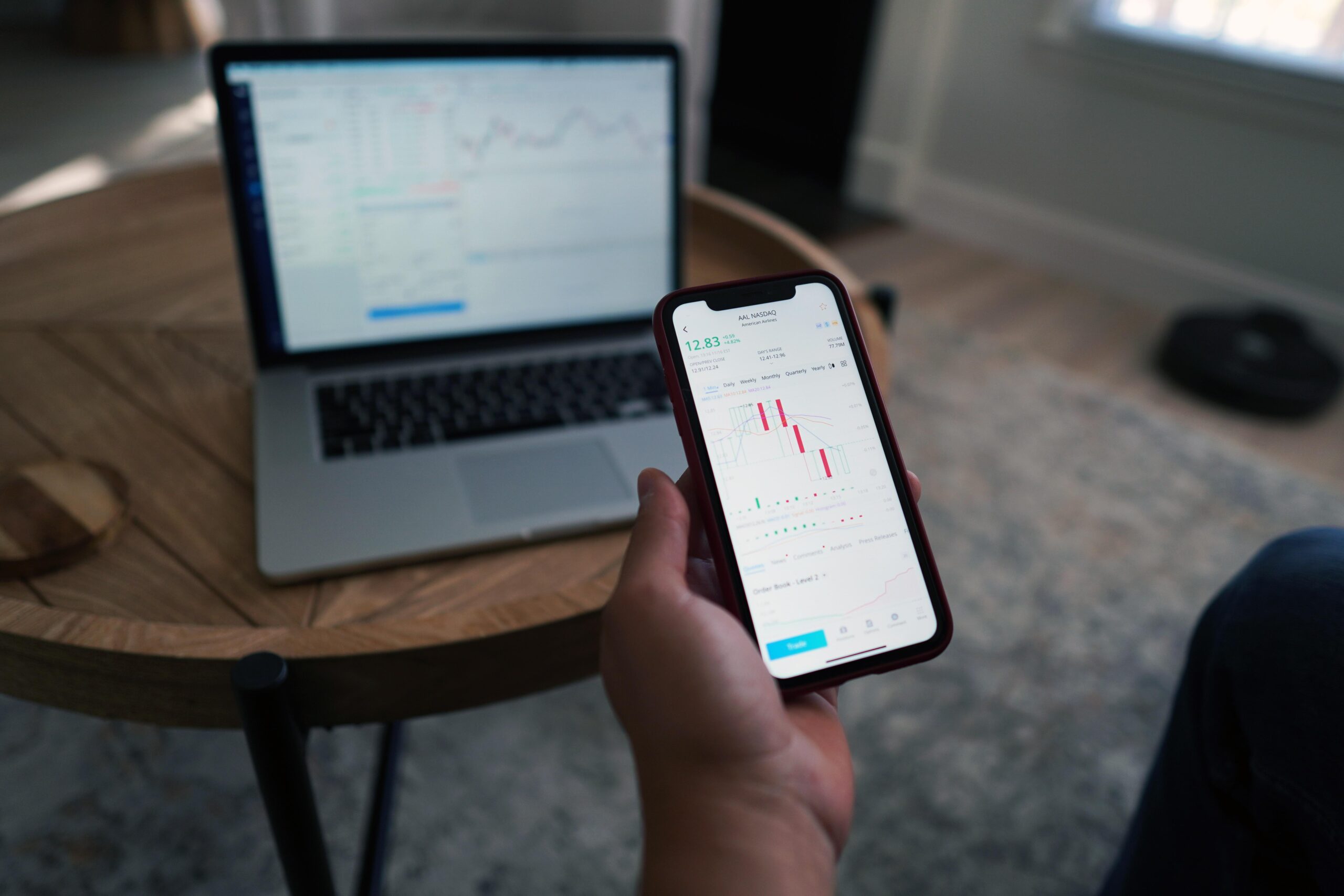
How Does Copy Trading Work?
The technical process behind copy trading is relatively straightforward.
A typical copy trading system connects two accounts:
- The strategy provider, who makes the original trades
- The copier, whose account automatically replicates those trades
When the strategy provider opens a position, the copy trading system sends the corresponding order to the copier’s account.
The same principle applies when the original trader modifies or closes a position.
The size of the copied position is normally calculated proportionally. This means you don’t necessarily need the same amount of money as the trader you are following.
For example, suppose a trader has $50,000 in their account and opens a position using 2% of their capital. If you allocate $2,000 to copy that trader, the platform may calculate the corresponding position based on your $2,000 allocation.
The exact calculation depends on the broker and the copy trading system.
Some platforms also allow you to use additional risk controls. These can include maximum drawdown limits, stop-loss settings, maximum allocation or the ability to stop copying a trader.
This gives you some control over the risk even though you are not making the individual trading decisions yourself.
How to Start Copy Trading
Getting started with copy trading usually involves just a few steps.
1. Choose a Copy Trading Broker
First, you need a broker or trading platform that supports copy trading.
Not every traditional broker offers this functionality, and the available features can vary significantly between providers.
When comparing platforms, look at:
- Regulation
- Trading costs
- Available markets
- Copy trading technology
- Number of available traders
- Risk management features
- Minimum investment
- Platform usability
- Withdrawal conditions
Choosing a regulated and reputable broker should always be the first priority.
2. Open a Trading Account
Once you have selected a platform, you need to open an account and complete the required verification process.
Depending on your country and the broker, this may include identity verification and other regulatory requirements.
3. Deposit Funds
You then deposit the amount you want to use for copy trading.
You should never allocate money that you cannot afford to lose. Copy trading can reduce the amount of manual work involved in trading, but it does not remove market risk.
4. Find a Trader
This is arguably the most important part.
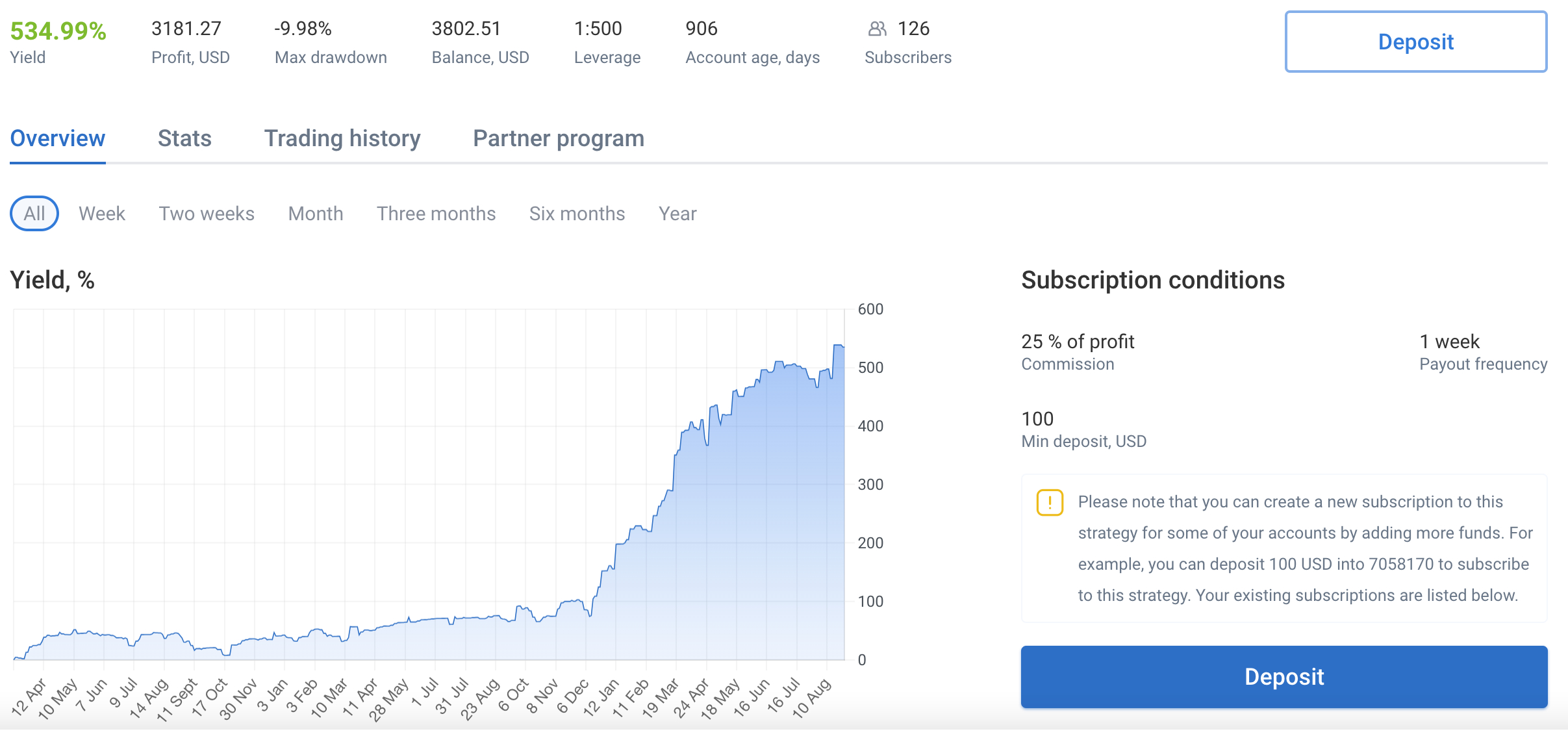
Most copy trading platforms provide trader profiles containing statistics and information about historical performance.
You may be able to see:
- Historical returns
- Maximum drawdown
- Number of trades
- Win rate
- Risk score
- Trading instruments
- Average holding time
- Historical equity curve
- Current positions
Do not simply choose the trader with the highest return.
A high return often comes with higher risk.
5. Allocate Your Capital
After selecting a trader, you decide how much money you want to allocate.
You don’t necessarily need to invest your entire trading account into one strategy.
Diversifying across several traders with different strategies can potentially reduce your dependence on a single trader, although diversification does not eliminate risk.
6. Start Copying
Once copying is activated, the platform automatically replicates eligible trades.
You can usually monitor the strategy through your account dashboard and stop copying whenever you choose, subject to the platform’s rules.
What Is the Difference Between Copy Trading and Social Trading?
Copy trading and social trading are closely related, but they are not exactly the same thing.
Social trading focuses on interaction and information sharing between traders.
A social trading platform might allow you to:
- Follow traders
- View their trades
- Read market analysis
- Comment on strategies
- Discuss markets
- Share trading ideas
Copy trading, on the other hand, adds automated execution.
You don’t just observe what another trader is doing. Their trades are automatically replicated in your own account.
Many modern platforms combine both concepts.
This means you can research traders socially, analyze their performance and then decide whether you want to copy their strategy.
What Are the Benefits of Copy Trading?
Copy trading has several advantages, particularly for people who don’t have enough time to monitor the markets themselves.
Less Time Required
Traditional trading can require significant time.
Depending on the strategy, traders may need to:
- Analyze charts
- Follow economic news
- Identify setups
- Monitor open positions
- Adjust stop-loss levels
- Manage risk
- Execute trades
With copy trading, many of these tasks are handled by the strategy provider and the automated platform.
That doesn’t mean you should completely ignore your account. You still need to monitor the strategy and make sure the risk remains appropriate.
Access to Experienced Traders
Another major advantage is access to traders with experience in specific markets.
Someone who has little experience trading the Forex market, for example, can potentially follow a trader who has spent years developing a Forex strategy.
This doesn’t guarantee success, but it can give users access to trading approaches that they might not have the knowledge or time to develop themselves.
Automated Execution
Automation is one of the main reasons people use copy trading.
You don’t need to manually enter every trade.
Once the system is configured, trades can be replicated automatically according to the platform’s rules.
This can also reduce certain emotional decisions that often occur when traders manually enter and exit positions.
Diversification
Copy trading can also be used to diversify.
Instead of allocating all capital to one trader, you could potentially distribute capital among several traders with different approaches.
For example:
- One Forex strategy
- One index strategy
- One gold strategy
- One longer-term strategy
However, diversification only works if the strategies are genuinely different. Copying five traders who all use almost identical strategies does not necessarily provide meaningful diversification.
What Are the Risks of Copy Trading?
Understanding the risks is just as important as understanding the benefits.
Copy trading does not eliminate trading risk.
In fact, one of the biggest mistakes beginners make is assuming that copying a successful trader automatically makes trading safer.
It doesn’t.
Past Performance Is Not a Guarantee
A trader who performed exceptionally well last year may perform poorly next year.
Financial markets change.
A strategy that works particularly well during a strong trending market may struggle when markets become volatile or move sideways.
This is why you should analyze a trader’s performance across different market conditions rather than looking at one short period.
Drawdown Can Be Significant
One of the most important statistics when evaluating a copy trading strategy is maximum drawdown.
Drawdown measures how much an account has fallen from a previous high.
For example, imagine that a strategy grows from $10,000 to $15,000 but subsequently falls to $11,000.
The account has experienced a significant decline from its peak.
A trader can still have a positive overall return while experiencing substantial temporary losses.
You need to determine whether you could emotionally and financially tolerate those losses before copying the strategy.
Leverage Can Increase Risk
Many copy trading strategies involve leveraged products such as CFDs or Forex.
Leverage allows traders to control larger positions with less capital.
This can increase potential returns, but it also increases potential losses.
A trader who uses aggressive leverage may appear highly profitable during favorable market conditions while carrying substantial risk underneath the surface.
Therefore, always check how much leverage a strategy uses.
You Have Limited Control Over Individual Trades
When you trade manually, you decide when to enter and exit.
With copy trading, someone else makes those decisions.
You can usually stop copying the trader, but you may not be able to control every individual position in the same way as with manual trading.
This makes selecting the right trader particularly important.
Execution Differences
The copied trade may not always be executed at exactly the same price as the original trade.
Differences can occur because of:
- Market liquidity
- Spreads
- Execution speed
- Slippage
- Account type
- Trading conditions
- Platform technology
This can become particularly relevant for strategies that trade very frequently or rely on small price movements.
How to Choose a Copy Trading Strategy
Choosing the right trader is arguably more important than choosing the platform.
Instead of looking only at returns, analyze the complete strategy.
Look at the Track Record
How long has the trader been active?
A few months of strong performance are not enough to establish whether a strategy is reliable.
A longer track record gives you more information about how the strategy behaves under different market conditions.
Analyze Maximum Drawdown
Maximum drawdown should be one of the first statistics you examine.
A strategy producing a 30% return with a 5% maximum drawdown looks very different from a strategy producing 100% with a 50% drawdown.
The second strategy may have generated more profit, but it also required significantly more risk.
Check the Number of Trades
A trader who has completed thousands of trades provides more statistical information than someone who has only made ten trades.
However, more trades do not automatically mean a better strategy.
You should understand what type of trading the provider is doing.
Understand the Trading Style
Ask yourself whether the strategy matches your objectives.
Is the trader:
- Scalping?
- Day trading?
- Swing trading?
- Position trading?
- Trading news events?
- Holding positions overnight?
- Using high leverage?
A strategy can be profitable while still being completely unsuitable for your personal risk tolerance.
How Much Money Should You Use for Copy Trading?
There is no universal amount that everyone should use.
The amount should depend on your financial situation, risk tolerance and overall investment strategy.
The most important rule is:
Never use money you cannot afford to lose.
It can also make sense to start with a smaller amount rather than immediately allocating a large percentage of your capital.
This allows you to observe how the strategy behaves in your own account, including execution, drawdowns and trading frequency.
After gaining experience with the platform and strategy, you can decide whether the allocation still makes sense.
Is Copy Trading Good for Beginners?
Copy trading can be attractive to beginners because it removes some of the technical complexity associated with manually placing trades.
However, beginners should not interpret this as meaning they don’t need to understand trading.
You should still learn the basics of:
- Risk management
- Leverage
- Position sizing
- Drawdown
- Trading psychology
- Market volatility
- Trading costs
The more you understand these concepts, the better you can evaluate whether a strategy is appropriate.
Copy trading can potentially be a useful tool, but it should not become an excuse to blindly follow someone else’s decisions.
Copy Trading vs. Manual Trading
The main difference is who makes the trading decisions.
With manual trading, you control:
- Analysis
- Entries
- Exits
- Position size
- Stop-loss
- Take-profit
- Risk
With copy trading, another trader controls most of those decisions.
The biggest advantage of manual trading is control.
The biggest advantage of copy trading is convenience.
Neither approach is automatically better.
An experienced trader may prefer manual trading because they have developed their own strategy and understand their market.
Someone with limited time may prefer copy trading because they want exposure to a strategy without executing every trade themselves.
Copy Trading vs. Signal Trading
Copy trading is also different from traditional trading signals.
A signal might tell you:
EUR/USD – Buy – Entry 1.0850 – Stop Loss 1.0800 – Take Profit 1.0950
You still need to decide whether to take the trade and manually execute it.
With copy trading, the trade can be automatically replicated in your account.
This makes copy trading more automated than traditional signal services.
However, automation also means that you need to be confident in the strategy before allowing it to execute trades automatically.
Are Copy Trading Profits Taxable?
Whether copy trading profits are taxable depends on your country of residence and the specific financial instruments involved.
Tax treatment can differ between:
- Stocks
- ETFs
- CFDs
- Forex
- Futures
- Cryptocurrencies
The tax rules can also change depending on whether you are investing privately or through a company.
Therefore, you should not assume that copy trading has a particular tax treatment simply because another trader or website describes it that way.
If you generate significant profits through copy trading, consult a qualified tax professional familiar with the rules in your country.
Best Copy Trading Platforms
There are many copy trading platforms available, and they differ considerably in their approach.
Some focus primarily on social investing, while others integrate copy trading into traditional Forex and CFD platforms.
Well-known examples include:
- eToro CopyTrader
- Pepperstone CopyTrading
- AvaTrade AvaSocial
- FP Markets Social Trading
- IC Markets cTrader Copy
The best choice depends on your experience, preferred markets, available capital and risk tolerance.
For beginners, a simple interface and transparent trader profiles can be more important.
For experienced traders, platform flexibility, execution conditions and risk-management tools may be more important.
Is Copy Trading Worth It?
Copy trading can be worth considering if you understand what you are actually buying into.
You are not buying guaranteed profits.
You are essentially choosing to replicate another person’s trading strategy.
That strategy can perform well, but it can also lose money.
The biggest mistake is to focus entirely on historical returns.
Instead, look at the entire picture:
Return + Drawdown + Risk + Track Record + Strategy + Trading Conditions
Only then can you make a more informed decision.
A trader generating 20% with controlled risk and a long track record may be a more sensible choice than someone generating 150% through aggressive leverage.
Conclusion: What Is Copy Trading?
So, what is copy trading?
Copy trading is a trading method that allows you to automatically replicate the trades of another trader in your own account.
It can save time, provide access to different trading strategies and make market participation easier for people who don’t want to manually execute every trade.
But copy trading is not a shortcut to guaranteed profits.
The trader you copy can lose money. High historical returns can hide substantial risks, and leveraged products can result in significant losses.
The most important part of copy trading is therefore not finding the trader with the biggest return.
It is finding a strategy with a transparent track record, understandable risk profile and drawdown that you are genuinely comfortable with.
Before you start, compare the broker, understand the costs, examine the strategy provider and determine how much capital you are prepared to risk.
Used responsibly, copy trading can be an interesting way to gain exposure to financial markets. Used blindly, it can simply automate someone else’s bad trading decisions.
Overview of Topics