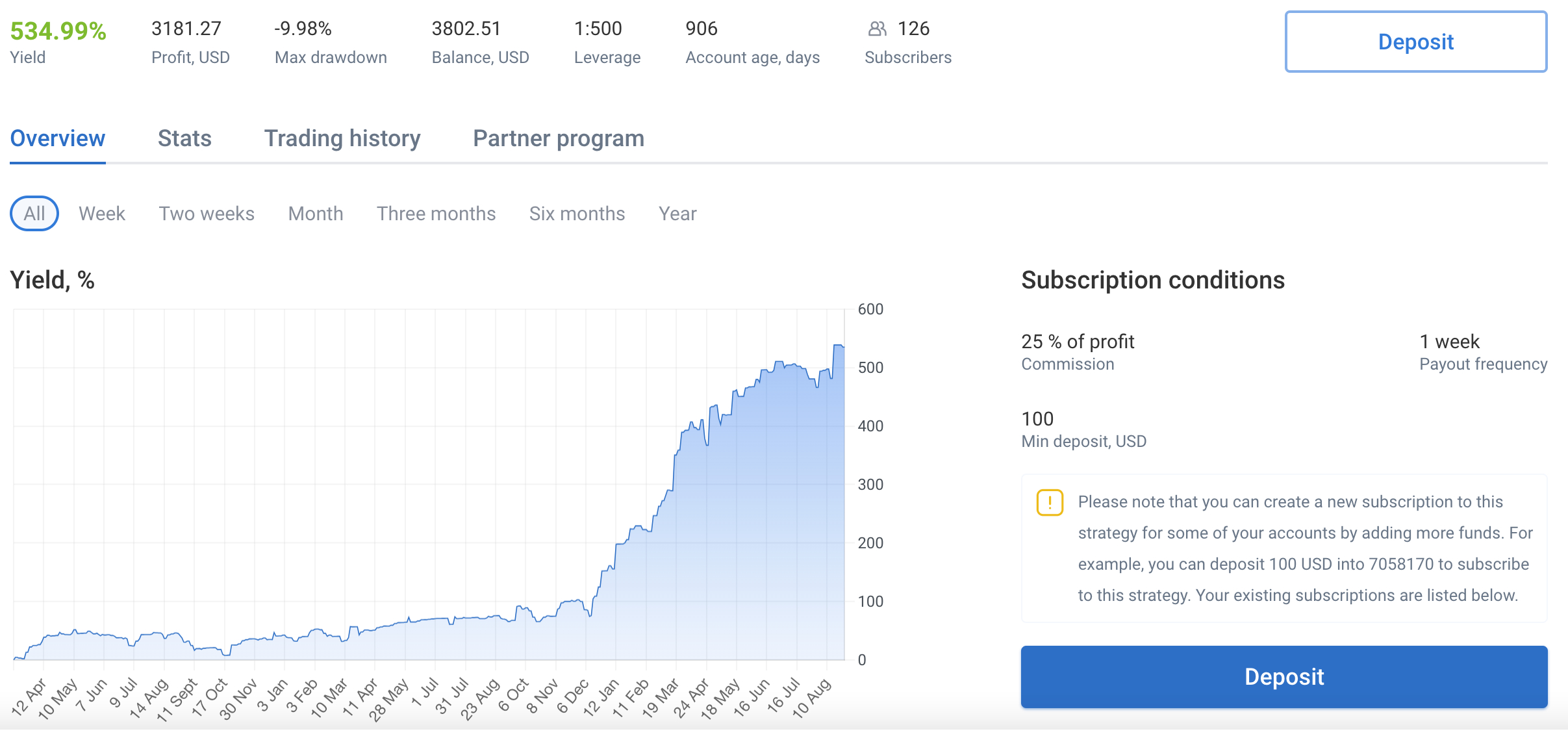
A Social Trading Platform combines traditional online trading with social features that allow users to discover, follow and learn from other traders.
Instead of trading completely on your own, you can observe trading activity, compare strategies and, depending on the platform, automatically copy the trades of selected traders.
This has changed the way many people interact with financial markets.
However, social trading is more than simply following traders with the highest returns.
A good Social Trading Platform should provide transparent performance data, useful risk information, reliable execution and tools that help users make informed decisions.
The most important principle remains:
Following another trader does not eliminate trading risk.
What Is a Social Trading Platform?
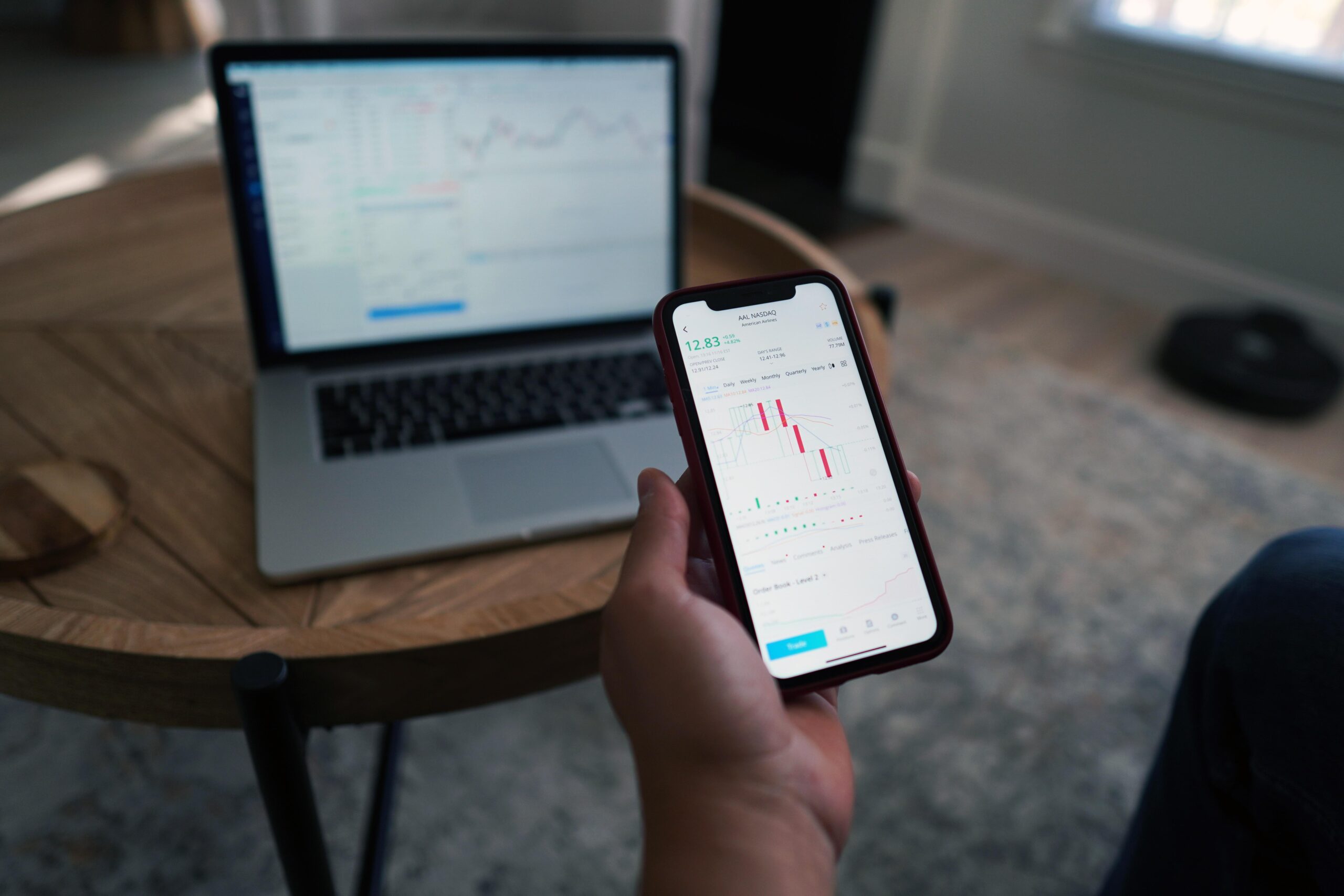
A Social Trading Platform is an online trading environment where traders can interact with, follow and learn from other market participants.
Traditional broker platforms primarily focus on market analysis and order execution.
Social trading adds a community element.
Users may be able to see other traders’ strategies, trading activity, performance statistics and market opinions.
Depending on the platform, users can also automatically replicate another trader’s positions through Copy Trading.
This creates two different uses of social trading:
Learning from other traders and copying their trading strategies.
How Does Social Trading Work?
The process generally starts with a platform that provides a selection of traders or strategies.
Users can explore available profiles and compare their performance.
Information may include:
Historical returns.
Maximum drawdown.
Number of trades.
Win rate.
Risk statistics.
Trading frequency.
Average holding time.
Markets traded.
Users can then follow traders to monitor their activity or use a Copy Trading function to replicate their positions.
The exact features depend on the individual platform.
Social Trading vs. Copy Trading
The terms Social Trading and Copy Trading are often used interchangeably, but they are not exactly the same.
Social Trading is the broader concept.
It focuses on interaction, trader discovery, information sharing and learning from other market participants.
Copy Trading is a specific function that automatically replicates another trader’s positions.
A Social Trading Platform can therefore offer Copy Trading without social trading being limited to automatic trade replication.
Why Use a Social Trading Platform?
One major advantage is access to information.
Instead of analyzing markets completely alone, users can observe how other traders approach different situations.
This can provide educational value.
You may discover different:
Trading strategies.
Risk management approaches.
Market analyses.
Trading timeframes.
Asset classes.
For experienced traders, social platforms can also make it easier to discover alternative strategies.
Social Trading for Beginners
Social Trading can be particularly interesting for people who are still learning about financial markets.
Instead of relying exclusively on educational material, beginners can observe how experienced traders approach markets.
They can see how traders manage positions, react to market movements and structure their strategies.
However, following successful traders should not replace learning the fundamentals.
A beginner should understand at least:
Leverage.
Risk.
Drawdown.
Position sizing.
Trading costs.
Market volatility.
Without this knowledge, it becomes difficult to distinguish between a genuinely robust strategy and a strategy that simply took excessive risk.
Social Trading for Experienced Traders
Experienced traders may use Social Trading Platforms for more than education.
They can use them to discover new strategies, monitor market sentiment or diversify their trading approaches.
Some experienced traders may also publish their own strategies and build a following.
This creates a marketplace where traders can potentially demonstrate their expertise and attract followers.
What Markets Can You Trade?
The markets available depend on the individual platform.
Social trading platforms may provide access to:
Forex.
Gold.
Indices.
Stocks.
Commodities.
Cryptocurrencies.
CFDs.
Each market has different characteristics.
Forex strategies can behave very differently from cryptocurrency or index strategies.
Before following a trader, understand which markets they trade and how those markets affect the strategy’s risk profile.
How to Evaluate Traders
One of the biggest mistakes on a Social Trading Platform is choosing traders based solely on their returns.
A trader with a 150% return may look impressive.
But how much risk was taken to generate that return?
Perhaps the strategy experienced a 60% drawdown.
Another trader may have generated 30% with a maximum drawdown of only 8%.
The second strategy may be much more suitable for a risk-conscious trader.
This is why performance should always be evaluated together with risk.
Maximum Drawdown
Maximum drawdown measures the largest decline from an account’s previous peak.
For example, an account increases from $10,000 to $15,000 and later falls to $12,000.
The drawdown from the peak is $3,000, or 20%.
Drawdown is important because it shows the potential pain associated with the strategy.
A trader may have excellent long-term performance but still experience significant temporary losses.
You need to know whether you can realistically tolerate those losses before following the strategy.
Win Rate Can Be Misleading
A high win rate does not automatically mean a strategy is good.
A trader could win 90% of trades but lose a large amount on the remaining 10%.
Another trader could win only 45% but have much larger average winning trades.
Both strategies can have completely different profitability.
Therefore, win rate should be considered alongside:
Average win.
Average loss.
Profit Factor.
Drawdown.
Trade frequency.
Risk per trade.
Profit Factor
Profit Factor compares gross profits with gross losses.
For example, if a strategy generates $10,000 in gross profits and $5,000 in gross losses, the Profit Factor is 2.0.
This can provide useful information about the relationship between winning and losing trades.
However, Profit Factor is not enough by itself.
A complete evaluation should also consider the track record, drawdown and trading costs.
Track Record Matters
A trader who has performed exceptionally well for two months has not necessarily demonstrated a reliable long-term strategy.
A longer track record can provide more useful information.
Look at how the trader performed during:
Trending markets.
Sideways markets.
High-volatility periods.
Low-volatility periods.
Major economic events.
Different market cycles.
No historical record guarantees future results.
But a larger sample can help you understand the strategy more accurately.
Social Trading and Leverage
Leverage is one of the most important risks to understand.
It allows traders to control larger positions with less capital.
This can increase potential returns.
It can also increase losses significantly.
When comparing traders, do not simply ask:
“Who made the most money?”
Ask:
“Who achieved their results with an acceptable level of risk?”
That is a much more useful question.
Trading Costs
Social Trading Platforms can involve different costs.
Depending on the platform and account, these may include:
Spreads.
Commissions.
Performance fees.
Management fees.
Subscription fees.
Overnight financing.
Execution costs.
These costs can have a meaningful impact on net performance.
This is particularly relevant for strategies that trade frequently.
Always understand the fee structure before allocating capital.
Copy Trading on a Social Trading Platform
Some Social Trading Platforms offer automatic Copy Trading.
This allows users to replicate the positions of selected traders.
The benefit is convenience.
The risk is that you also replicate the trader’s mistakes.
If the trader uses excessive leverage, averages down or holds losing positions for long periods, your account can be exposed to the same behavior.
Copying a trader means copying the strategy’s risk as well as its potential returns.
Beware of Martingale Strategies
Martingale strategies are particularly important to identify.
A trader may increase their position size after a loss in an attempt to recover previous losses.
This can create a high win rate and a smooth equity curve.
But prolonged losing periods can cause position sizes to grow rapidly.
Eventually, the account may not have enough capital to sustain the strategy.
A high win rate is therefore not proof of low risk.
Diversification Through Social Trading
Following several traders can provide diversification.
But simply following multiple traders does not guarantee it.
If five traders all use highly leveraged Forex strategies, they may react similarly to the same market conditions.
Effective diversification requires different sources of risk.
This could involve different:
Markets.
Trading styles.
Timeframes.
Strategies.
Risk profiles.
The goal is to avoid putting all your exposure into one type of trading behavior.
Is Social Trading Passive Income?
Social Trading is sometimes promoted as a form of passive income.
That can create unrealistic expectations.
Even if Copy Trading is automated, the user still has to decide:
Which trader to follow.
How much capital to allocate.
How much risk is acceptable.
When to stop copying.
Whether the strategy remains suitable.
Social Trading can reduce the amount of manual execution.
It does not eliminate responsibility.
Is Social Trading Safe?
No trading platform can eliminate market risk.
The safety of a Social Trading Platform should be evaluated from several perspectives.
Check the platform operator.
Check the relevant broker or financial service provider.
Review the regulatory information that applies to your jurisdiction.
Understand how client funds are handled.
Review the trading conditions and fees.
Most importantly, understand the risk of the strategy you are following.
A regulated platform does not make a risky strategy safe.
How to Choose a Social Trading Platform
Before choosing a platform, consider the following questions:
Is the platform transparent?
Can you see verified trading performance?
Are drawdowns clearly displayed?
What markets are available?
What are the trading costs?
What leverage is offered?
Can you control your capital allocation?
Are risk management tools available?
Can you stop following or copying a trader easily?
Is regulatory information clearly provided?
A platform that provides detailed information makes it easier to make informed decisions.
What Makes the Best Social Trading Platform?
There is no single Social Trading Platform that is best for every trader.
The right choice depends on what you want to achieve.
A beginner may prioritize education and community features.
An experienced trader may prioritize execution and detailed analytics.
A Copy Trader may focus heavily on strategy selection and risk management.
In general, a strong platform should combine:
Transparency.
Reliable execution.
Useful performance data.
Risk management tools.
Reasonable trading costs.
A strong selection of traders and strategies.
Social Trading vs. Trading Yourself
The biggest difference is control.
When trading yourself, you make every decision.
You choose the market, entry, position size, stop-loss and exit.
With Social Trading, you can use the knowledge and decisions of other traders.
This can save time but reduces direct control.
For some traders, that trade-off makes sense.
For others, developing their own strategy is the better approach.
Can You Make Money With Social Trading?
Yes, it is possible.
But Social Trading can also result in significant losses.
The technology does not create a profitable trading strategy.
The performance depends on the trader, strategy, market conditions, execution and risk management.
This is why choosing a trader based solely on historical returns is dangerous.
A sustainable approach requires a much broader evaluation.
The Future of Social Trading
Social Trading is likely to continue developing as trading technology becomes more accessible.
Platforms can make it easier for users to discover traders, compare strategies and share market information.
At the same time, greater accessibility makes transparency increasingly important.
Future Social Trading Platforms will likely focus more heavily on performance analytics, risk measurement and automated portfolio management.
The most valuable platforms will not necessarily be those promoting the highest returns.
They will be those helping users understand how those returns were generated and how much risk was involved.
Conclusion: Is a Social Trading Platform Worth It?
A Social Trading Platform can make financial markets more accessible by connecting traders, strategies and communities.
It can provide educational value, save time and, through Copy Trading, allow users to replicate another trader’s positions automatically.
But Social Trading does not eliminate risk.
High returns can come with high drawdowns.
Leverage can amplify losses.
Trading costs can reduce performance.
And past performance never guarantees future results.
The best approach is to look beyond the headline numbers.
Evaluate:
Track record.
Drawdown.
Leverage.
Trading behavior.
Costs.
Transparency.
Risk management.
Social Trading can be a useful tool.
But the smartest users do not simply follow the crowd.
They understand who they are following, why they are following them and how much risk they are taking.
Overview of Topics