A Copy Trading Platform gives traders access to a simple way of following and automatically replicating the trades of other traders.

Instead of analyzing every market independently, users can browse different traders or trading strategies, evaluate their historical performance and decide which strategies they want to follow.

Once a trader is selected, their positions can be automatically copied into the user’s own trading account.

The technology is straightforward.

Choosing the right strategy is not.

A Copy Trading Platform should therefore offer much more than a list of traders ranked by performance. Transparency, risk management, execution quality and detailed performance data are essential when evaluating a strategy.

What Is a Copy Trading Platform?

A Copy Trading Platform is an online trading environment that allows users to follow and replicate the trades of other traders.

The platform connects the trader being followed with the follower’s trading account.

When the original trader opens a position, the platform can automatically replicate the trade.

When the original trader closes the position, the corresponding position can also be closed in the follower’s account.

Depending on the platform, users may be able to control how much capital they allocate to each strategy.

The basic concept is:

Choose a trader → Allocate capital → Copy trades → Monitor performance

How Does a Copy Trading Platform Work?

Most Copy Trading Platforms follow a similar process.

First, users browse available traders or strategies.

They can then analyze information about each strategy.

This may include:

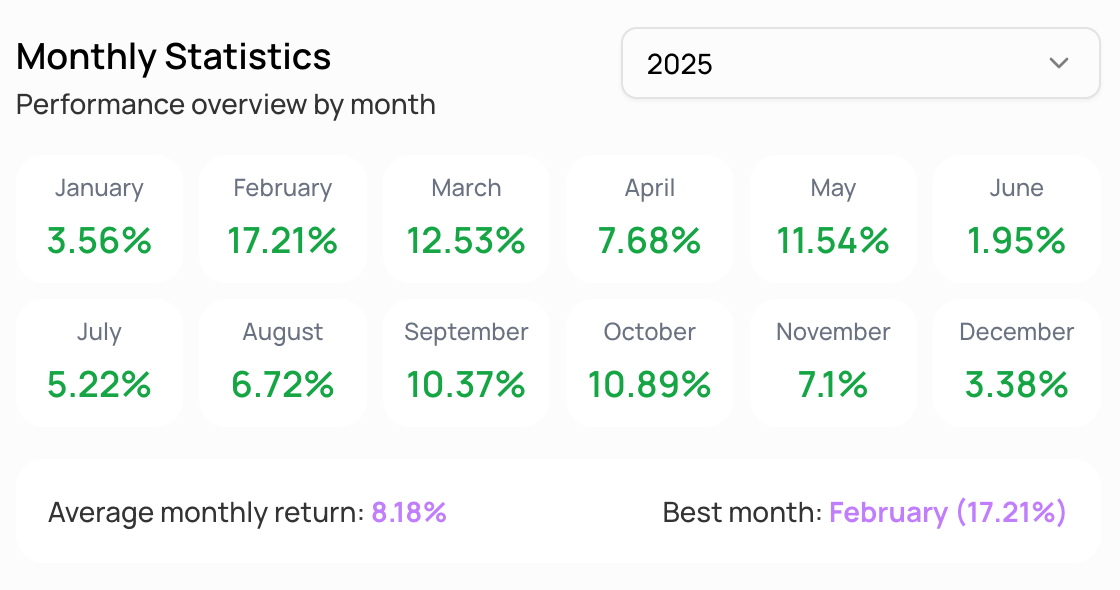
Historical returns.

Maximum drawdown.

Number of trades.

Win rate.

Risk level.

Average holding time.

Markets traded.

Trading history.

Once a strategy has been selected, the user allocates capital.

The platform then replicates the trader’s activity according to its copying system.

The follower does not have to manually enter each trade.

However, the follower remains responsible for selecting the strategy and managing their overall risk.

What Can You Trade on a Copy Trading Platform?

The available markets depend on the platform.

Common markets include:

Forex.

Gold.

Indices.

Stocks.

Commodities.

Cryptocurrencies.

CFDs.

Some platforms specialize in a particular asset class, while others offer access to several markets.

The market selection matters because different instruments have very different risk characteristics.

A Forex trader using moderate leverage may have a completely different risk profile from a cryptocurrency trader using aggressive leverage.

Key Features of a Good Copy Trading Platform

Not all platforms provide the same tools.

When comparing a Copy Trading Platform, several features are particularly important.

Transparent Performance Data

Users should be able to see how a strategy has performed over time.

Useful information includes returns, drawdowns, number of trades and trading history.

Transparency makes it easier to evaluate whether performance is consistent or simply the result of a short period of favorable market conditions.

Detailed Risk Information

Returns alone are not enough.

A platform should provide information about the risk taken to generate those returns.

Maximum drawdown, leverage, position size and losing streaks can all provide valuable insight.

Reliable Trade Execution

Copy Trading depends on execution.

When a trader opens a position, the follower needs the trade to be replicated accurately and efficiently.

Spreads, slippage and execution delays can affect the final result.

This is particularly important for short-term strategies and scalping.

Risk Management Tools

A strong Copy Trading Platform should give users some control over their exposure.

Depending on the platform, this may include:

Capital allocation.

Risk limits.

Stop-copy functions.

Position sizing.

Maximum loss settings.

These tools can help users manage their exposure instead of blindly following a strategy.

Why Do People Use Copy Trading Platforms?

The main advantage is convenience.

Traditional trading requires the user to research markets, develop strategies and execute trades.

Copy Trading allows users to follow an existing strategy.

This can save time and reduce the technical requirements involved in manually executing every position.

It can be particularly attractive for people who are interested in financial markets but cannot monitor charts throughout the trading day.

Copy Trading for Busy Traders

Not every trader has several hours available to analyze markets.

People with full-time jobs, businesses or family commitments may not be able to monitor every trading session.

A Copy Trading Platform can automate the execution of another trader’s strategy.

However, this should not be confused with completely passive investing.

The strategy still needs to be monitored.

Market conditions change.

Traders can change their approach.

Risk levels can increase.

A previously successful strategy can enter a significant drawdown.

Copy Trading Platform vs. Traditional Trading

With traditional manual trading, you make the trading decisions yourself.

You determine:

When to enter.

Where to place the stop-loss.

Where to take profits.

How much to risk.

When to exit.

With Copy Trading, another trader makes these decisions.

This reduces the amount of manual work but also reduces your direct control over individual trades.

Copy Trading is therefore not necessarily better than manual trading.

It is simply a different approach.

How to Evaluate Traders on a Copy Trading Platform

One of the biggest mistakes is choosing the trader with the highest return.

Instead, analyze the entire trading profile.

Important factors include:

Track record.

Maximum drawdown.

Average return.

Number of trades.

Leverage.

Trading frequency.

Average holding period.

Largest loss.

Largest position.

Use of stop-losses.

Trading instruments.

A trader with a lower return but controlled risk may be a better choice than a trader with spectacular returns and extreme drawdowns.

Why Drawdown Matters

Drawdown shows how much an account or strategy declined from a previous peak.

Suppose a strategy grows from $10,000 to $15,000 and later falls to $12,000.

The drawdown from the peak is $3,000, or 20%.

This statistic tells you something that the overall return cannot.

It shows how difficult the journey was.

A strategy with a 100% return and a 70% drawdown has a dramatically different risk profile from a strategy with a 40% return and a 10% drawdown.

Don’t Rely on Win Rate

Win rate is often one of the first statistics people look at.

But it can be misleading.

A strategy can win 90% of its trades and still lose money if the losing trades are much larger than the winners.

A strategy with a 40% win rate can be profitable if its average winners are significantly larger than its average losses.

The relationship between wins and losses matters more than win rate alone.

Profit Factor

Profit Factor is another useful performance metric.

It compares gross profits with gross losses.

For example, a strategy that generates $20,000 in gross profits and $10,000 in gross losses has a Profit Factor of 2.0.

This can help traders evaluate the relationship between profitable and losing trades.

But again, no single statistic tells the whole story.

Profit Factor should be considered alongside drawdown, track record, number of trades and costs.

How Long Should a Trading Track Record Be?

A strategy with three months of performance provides limited information.

It may simply have benefited from a favorable market environment.

A longer track record provides more insight into how the trader behaves across different conditions.

Look for performance during:

Trending markets.

Sideways markets.

High volatility.

Low volatility.

Major economic events.

Different market cycles.

There is no period that guarantees future success.

But a longer and more diverse track record provides more information for evaluation.

Copy Trading Fees and Costs

Copy Trading Platforms can have several different types of costs.

These may include:

Spreads.

Commissions.

Performance fees.

Management fees.

Subscription fees.

Overnight financing.

Execution costs.

Costs can significantly affect the final return.

This is especially important when copying strategies that trade frequently.

Always understand the complete fee structure before allocating capital.

Copy Trading and Leverage

Leverage can dramatically change the risk profile of a strategy.

A trader using high leverage may generate large returns during favorable market conditions.

The same leverage can produce equally large losses.

When evaluating a trader, look beyond the percentage return.

Check the size of positions and the amount of leverage being used.

A 30% return generated with conservative risk is very different from a 30% return generated through aggressive leverage.

Copy Trading and Slippage

Slippage occurs when the actual execution price differs from the expected price.

This can happen during periods of high volatility or low liquidity.

It can be particularly important for strategies that open and close trades quickly.

A Copy Trading Platform should therefore provide reliable execution and transparent information about trading conditions.

Is Copy Trading Passive Income?

Copy Trading is sometimes advertised as passive income.

That description can create unrealistic expectations.

Although trade execution can be automated, the user still needs to:

Select the trader.

Choose the allocation.

Monitor performance.

Manage risk.

Review changes in strategy.

Decide when to stop copying.

Copy Trading can save time.

It does not eliminate responsibility.

Copy Trading Platform and Diversification

Some users follow multiple traders to diversify their exposure.

This can be useful, but simply following several traders does not automatically create diversification.

Five traders using almost identical Forex strategies can still have highly correlated performance.

Real diversification may involve different:

Markets.

Trading styles.

Timeframes.

Strategies.

Risk profiles.

The goal should be to reduce dependence on a single source of risk.

Beware of Martingale Strategies

Martingale strategies deserve special attention.

A trader using Martingale increases the position size after a loss in an attempt to recover previous losses.

The strategy can produce a high win rate and an attractive-looking performance curve.

The problem occurs during prolonged losing periods.

Position sizes can increase rapidly.

Eventually, the account may not have enough capital to support the next position.

When evaluating traders on a Copy Trading Platform, check whether they regularly increase exposure after losses.

Red Flags When Choosing a Copy Trading Platform

Several warning signs should encourage caution.

Guaranteed returns.

Guaranteed monthly profits.

Extremely high returns over a short period.

Almost no losing trades.

Very high leverage.

Large open positions.

Frequent averaging down.

Martingale behavior.

Limited trading history.

No transparent performance data.

Aggressive claims about passive income.

These characteristics do not automatically prove that a platform or trader is fraudulent.

But they should lead to additional research.

How Much Should You Invest in Copy Trading?

There is no universal amount that is appropriate for everyone.

The correct allocation depends on your financial situation, risk tolerance and overall portfolio.

The most important principle is:

Never allocate more money than you can afford to lose.

This is particularly important when leveraged products such as CFDs or Forex are involved.

Is Copy Trading Suitable for Beginners?

Copy Trading can be attractive to beginners because it reduces the need to execute trades manually.

However, beginners should still understand the basics of trading and risk.

At a minimum, you should understand:

Leverage.

Drawdown.

Position sizing.

Trading costs.

Market volatility.

Risk per trade.

Without this knowledge, it becomes difficult to determine whether a strategy is actually suitable for you.

Copy Trading for Experienced Traders

Experienced traders can use Copy Trading as part of a broader portfolio.

For example, they may allocate a specific portion of their capital to external strategies while managing their own trading separately.

This can provide exposure to different trading approaches without requiring the trader to manually execute every position.

However, the same risk management principles still apply.

How to Choose the Right Copy Trading Platform

Before selecting a platform, ask a few basic questions.

Does it provide transparent performance data?

Can you see historical drawdowns?

Are trading costs clearly disclosed?

What markets are available?

How does trade replication work?

Can you control your allocation?

Are risk management tools available?

Can you stop copying whenever you want?

Is the platform properly regulated where applicable?

The answers can help separate a professional trading environment from a platform focused primarily on marketing.

What Makes the Best Copy Trading Platform?

There is no universally best platform.

The right choice depends on your objectives.

For one trader, a broad selection of Forex strategies may be most important.

Another trader may prioritize risk controls.

Someone else may require access to indices, commodities or other markets.

The best Copy Trading Platform is therefore the one that combines:

Transparency.

Reliable execution.

Risk management.

Reasonable costs.

Useful performance data.

A strategy selection that fits your goals.

Conclusion: Choosing a Copy Trading Platform

A Copy Trading Platform can make it easier to access and replicate trading strategies without manually executing every trade.

It can save time and provide access to traders with different approaches and market expertise.

But Copy Trading does not remove market risk.

The trader you follow can lose money.

Leverage can amplify losses.

Drawdowns can be significant.

Trading costs can reduce returns.

And past performance is never a guarantee of future results.

The smartest approach is therefore not to search for the platform or trader with the highest return.

Instead, look at the complete picture:

Performance. Risk. Drawdown. Strategy. Leverage. Costs. Transparency.

A good Copy Trading Platform should help you understand those factors before you commit capital.

Don’t copy blindly. Choose based on data, understand the risks and treat Copy Trading as a serious part of your trading strategy.

Follow verified traders with clear performance records.
Copy trades in a controlled, informed way, without constant screen time.

Follow Verified Traders Now