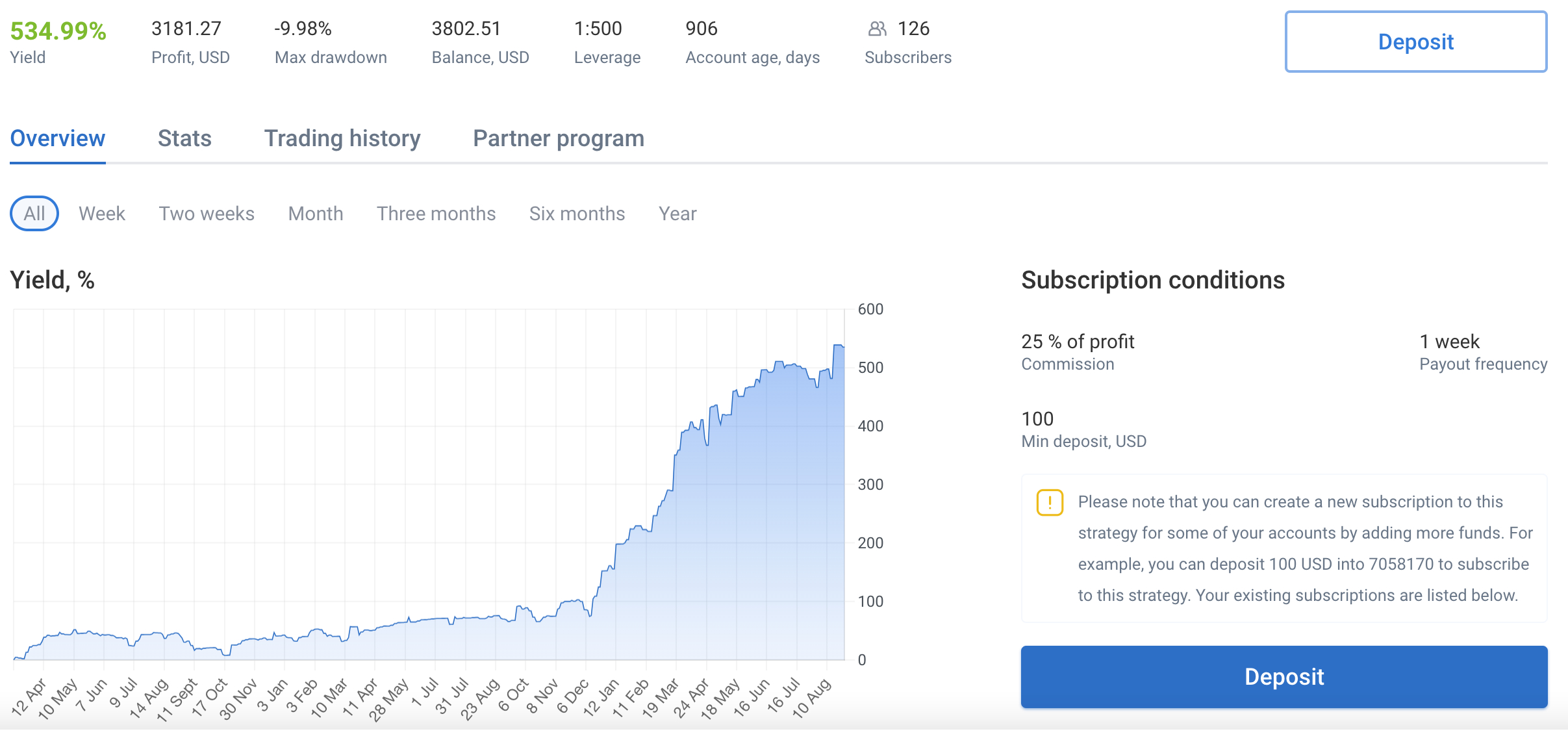
If you are looking for a Levels Socials Review, you are probably interested in one of the most important questions in modern copy trading:
Can Levels Socials be a useful platform for traders who want to follow and copy trading strategies?
Levels Socials combines trading with social features, allowing users to discover traders, follow strategies and potentially replicate trading activity.
But there is an important issue that anyone researching Levels Socials should know before considering the platform.
On August 7, 2026, the Belgian Financial Services and Markets Authority (FSMA) published an official warning about the activities of Levels Socials.
According to the FSMA, Levels Socials is not authorised to provide investment services in Belgium. The regulator also warns that the activities offered by Levels Socials may be fraudulent and includes the platform in its warnings concerning fraudulent trading platforms.
This is an important consideration and should be taken into account before depositing money or using the platform.
Read the official FSMA warning about Levels Socials
This Levels Socials review explains how the platform presents itself, how social and copy trading work, what risks are involved and why the current regulatory warning is particularly important.
What Is Levels Socials?
Levels Socials is a trading platform built around the idea of combining social trading and copy trading.
Instead of trading completely on your own, users can discover and follow other traders and use their trading activity as a reference or potentially copy their positions.
The social component adds another layer to traditional trading.
Users can observe trading activity, discover strategies and interact with a trading community rather than simply using a conventional broker interface.
The basic idea is simple:
Discover traders → Analyze strategies → Follow or copy → Monitor performance
However, the concept of social trading itself should be separated from the specific platform offering it.
Copy trading can be a legitimate trading model, but the regulatory status, legal entity, broker relationship and protection of client funds are critical factors when evaluating any provider.
How Does Levels Socials Work?
The platform is designed to make trading more social and accessible.
Instead of relying entirely on your own market analysis, you can explore the activity of other traders.
Depending on the available functionality, users can review information about trading performance and strategies before deciding which traders they want to follow.
For copy trading, the objective is to replicate the selected trader’s positions in the follower’s account.
This can reduce the amount of manual execution required.
However, the underlying trading risk remains.
If the trader being followed loses money, the copied account can also lose money.
In the case of Levels Socials, however, there is an additional consideration: the FSMA has issued an official warning concerning the platform’s activities. Therefore, the question is not only whether a particular trading strategy performs well, but also whether users should use the platform in the first place.
Levels Socials and Copy Trading
Copy trading is one of the key concepts associated with social trading.
The idea is that a trader can select another trader and allocate capital to their strategy.
When the original trader opens a position, the position can be replicated in the follower’s account.
The same can apply when the original position is closed.
This can be useful for traders who do not want to execute every trade manually.
But it also means that selecting the right strategy becomes extremely important.
More importantly, investors should distinguish between the risks of copy trading itself and the risks associated with the provider of the service.
Even an attractive trading strategy does not eliminate counterparty, operational or regulatory risks.
What Can You Trade With Levels Socials?
The available instruments and trading conditions depend on the platform and account setup.
Trading environments of this type can provide access to markets such as:
Forex.
Gold.
Indices.
Commodities.
Other leveraged financial instruments.
Before opening an account, traders should always check which instruments are actually available to them and under which conditions.
Market availability, spreads, leverage and trading costs can have a significant effect on trading results.
However, in light of the FSMA warning, regulatory status and the identity of the company providing the actual investment services should be checked before considering any deposit.
Levels Socials Review: The Social Trading Concept
One of the interesting aspects of Levels Socials is the combination of trading and social interaction.
Traditional broker platforms primarily focus on execution.
Social trading platforms attempt to add a community layer.
This can make it easier to discover traders and strategies that you might not otherwise encounter.
For newer traders, observing how experienced traders approach the markets can also provide educational value.
However, copying a trader should never replace understanding the basic principles of risk management.
And regardless of how attractive the social trading concept may appear, users should consider the regulatory status of the specific platform they are dealing with.
Evaluating Traders on Levels Socials
If you use a social or copy trading platform, one of the most important tasks is evaluating the trader you want to follow.
Do not simply look for the highest return.
Instead, consider:
Track record.
Maximum drawdown.
Number of trades.
Average return.
Risk level.
Leverage.
Trading frequency.
Average holding time.
Markets traded.
Largest losing trades.
A trader with a lower return and controlled drawdown may be much more suitable than a trader generating spectacular returns through excessive risk.
However, these factors only become relevant once the platform itself has passed your basic due-diligence checks.
In the case of Levels Socials, the official FSMA warning is therefore something investors should consider before evaluating individual traders or historical performance.
Why Drawdown Matters
Drawdown shows how much a trading account falls from a previous peak.
Imagine a strategy grows from $10,000 to $15,000 and then falls to $12,000.
The drawdown from the peak is $3,000, or 20%.
This is important because a trader may generate impressive long-term returns while still experiencing substantial temporary losses.
If you cannot tolerate a 30% drawdown, a strategy that historically experienced a 30% drawdown may not be suitable for you, regardless of its overall return.
Levels Socials and Leverage
Leverage is another factor that should never be ignored.
Leveraged trading allows traders to control larger positions with a smaller amount of capital.
This can increase potential returns.
It can also increase potential losses.
When evaluating a trader, therefore, ask not only:
“How much did this trader make?”
Also ask:
“How much risk did they take to make it?”
That question is often far more useful.
The Importance of Trading History
A trader with a short period of exceptional performance can look impressive.
But a short track record does not necessarily demonstrate a robust strategy.
A longer trading history provides more information about how a strategy behaves across different market environments.
Look for performance during:
Trending markets.
Sideways markets.
High-volatility periods.
Low-volatility periods.
Major economic events.
A longer history still cannot guarantee future performance.
But it can provide a better basis for evaluating a trading strategy.
Win Rate Is Not Enough
A high win rate can be attractive.
But it does not automatically mean a trader is profitable.
Imagine a strategy that wins 90% of its trades but suffers very large losses on the remaining 10%.
Another strategy may win only 45% of its trades but make substantially more on its winning trades than it loses on its losing trades.
The second strategy could be significantly more profitable.
That is why win rate should always be considered alongside average win, average loss and overall profitability.
Beware of Martingale Strategies
One of the biggest risks in copy trading is the use of Martingale or aggressive averaging strategies.
A trader may increase position size after a loss in an attempt to recover the previous loss.
This can create a very high win rate and a smooth-looking performance curve.
But the strategy can become extremely risky during a prolonged losing streak.
Position sizes can increase rapidly.
Eventually, a single additional loss can cause a severe drawdown or account failure.
When reviewing a trader, check how they behave after losing trades.
Levels Socials and Risk Management
A serious trading setup should provide tools and information that allow traders to manage their exposure.
Risk management can include:
Capital allocation.
Position sizing.
Stop-losses.
Maximum loss limits.
Exposure controls.
The exact tools available depend on the account and platform setup.
Regardless of the technology, users should establish their own risk limits before copying a strategy.
Trading Costs
Trading costs can have a meaningful impact on performance.
Depending on the account and trading setup, costs can include spreads, commissions, overnight financing and other fees.
For strategies that trade frequently, these costs can become particularly important.
A trader should therefore evaluate performance after considering the costs involved.
A high historical return does not automatically mean a high net return for every follower.
Is Levels Socials Suitable for Beginners?
Social trading can be attractive to beginners because it provides access to other traders and strategies.
Instead of starting completely alone, a beginner can observe how other traders approach the markets.
However, beginners should not assume that copying someone else means there is no need to understand trading.
At a minimum, you should understand:
Leverage.
Risk.
Drawdown.
Position sizing.
Trading costs.
Market volatility.
Without this knowledge, it becomes difficult to determine whether a particular trader is appropriate for you.
In the case of Levels Socials, beginners should also be aware of the official FSMA warning before considering whether the platform is appropriate for them.
Levels Socials for Experienced Traders
Experienced traders can approach social trading differently.
Instead of relying entirely on another trader, they can use social and copy trading as one component of a broader trading portfolio.
For example, a trader might allocate part of their capital to external strategies while continuing to trade their own system.
This can provide additional exposure to different approaches.
However, diversification only works when the underlying strategies are genuinely different.
The same principle applies here: diversification does not remove the risks associated with the platform or provider itself.
Is Levels Socials a Scam?
This is one of the most important questions when researching Levels Socials.
The FSMA has officially warned about the activities of Levels Socials and states that the company is not authorised to provide investment services in Belgium.
The regulator further states that the activities offered may be fraudulent and lists Levels Socials among fraudulent trading platforms.
Based on this official warning, potential users should exercise extreme caution and should not treat Levels Socials as an ordinary regulated copy-trading platform.
The FSMA specifically advises consumers not to respond to offers from Levels Socials and not to transfer money to bank accounts mentioned by the company.
View the official FSMA warning
Is Levels Socials Worth It?
Under normal circumstances, whether a copy-trading platform is worth using would depend on its features, trading conditions, available strategies, costs and regulatory framework.
For Levels Socials, however, the current FSMA warning is a fundamental issue.
The question is therefore not simply whether the platform offers interesting social trading features or whether individual traders have shown strong historical performance.
The more important question is whether you are comfortable using a platform that has been the subject of an official warning from a financial regulator.
Based on the FSMA warning, potential users should exercise extreme caution and carefully consider whether they should use the platform or deposit funds.
What Should You Check Before Starting?
Before using any copy trading platform, check:
Who operates the platform?
Which broker provides the trading account?
Which markets are available?
What leverage is offered?
What are the spreads and commissions?
What fees apply?
How are copied trades executed?
What historical performance data is available?
What was the maximum drawdown?
Can you stop copying at any time?
What regulatory protections apply?
Most importantly, verify the regulatory status of the company with the relevant financial regulator.
Do not rely solely on information provided by the platform itself.
Levels Socials Review: Final Verdict
Levels Socials represents an approach to trading that combines social trading, trader discovery and copy trading.
The concept itself can be appealing because it allows users to explore other traders and potentially replicate their strategies rather than executing every trade manually.
However, there is a major issue that cannot be ignored in any current Levels Socials review.
The Belgian Financial Services and Markets Authority (FSMA) has issued an official warning about Levels Socials, stating that it is not authorised to provide investment services in Belgium and warning that its activities may be fraudulent.
Because of this warning, Levels Socials should not be evaluated in the same way as a conventional regulated copy-trading platform.
Copy trading always carries trading risk.
But when a financial regulator has issued an official warning about a platform, there is an additional level of risk that goes beyond the performance of individual traders.
Therefore, anyone considering Levels Socials should conduct thorough due diligence and, in particular, take the FSMA warning seriously before providing funds or personal information.
Copy Trading can simplify execution. It does not eliminate risk — and no historical performance can override a regulatory warning.
Overview of Topics