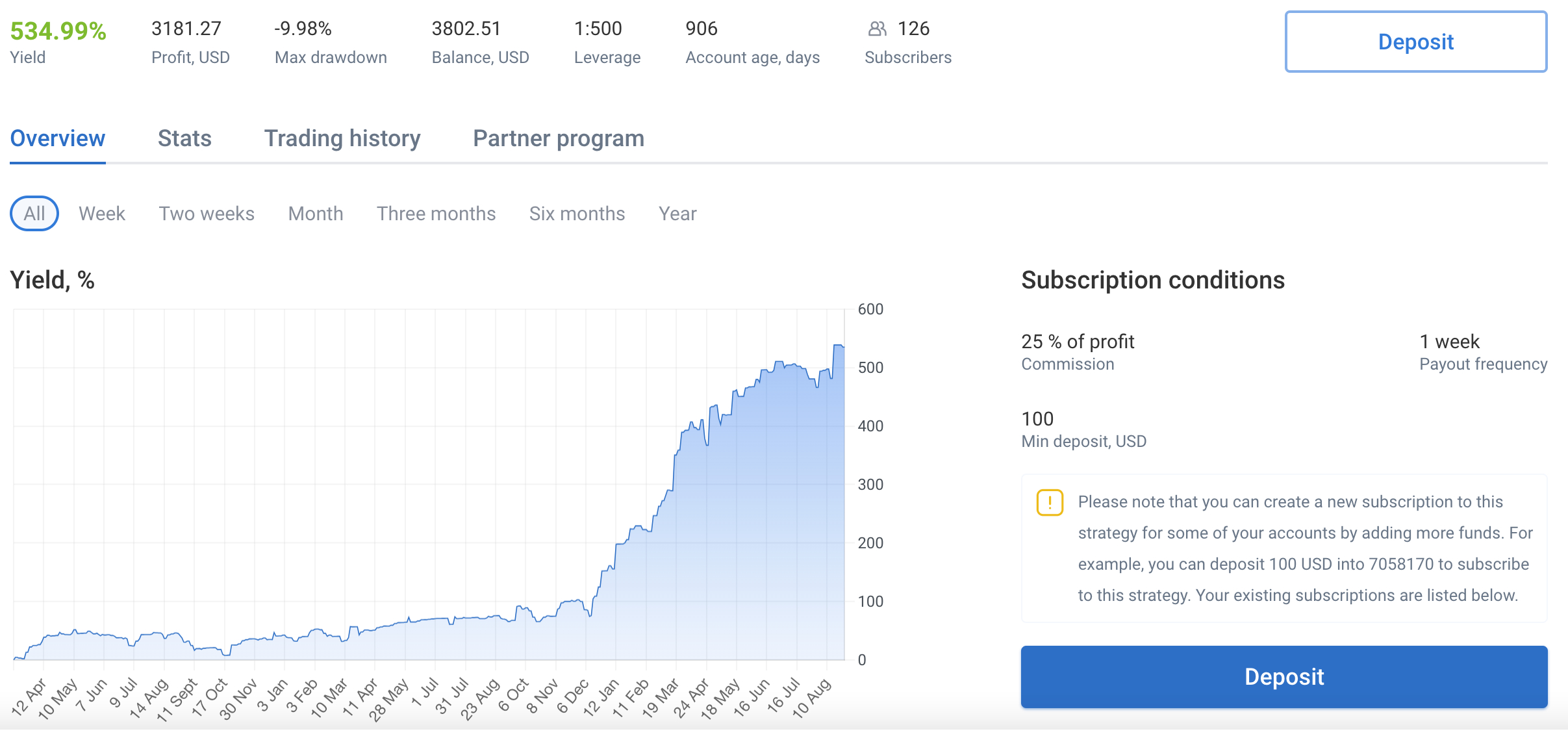
Copy trading allows you to automatically replicate the trades of another trader in your own trading account. Instead of analyzing the market, deciding when to enter a trade and manually placing every order yourself, you select a trader or strategy provider and allow a copy trading platform to mirror their positions.
The concept is relatively simple:
A trader opens a position → the copy trading system detects the trade → a corresponding position is opened in your account.
When the original trader changes or closes the position, the system can also replicate that action in your account.
The exact process depends on the broker and platform, but the basic principle is the same.
Copy trading is commonly available for markets such as Forex, indices, stocks, commodities and cryptocurrencies. Depending on the broker and your location, the available instruments can differ significantly.
While copy trading can make trading more accessible and less time-consuming, it does not eliminate risk. If the trader you copy loses money, your account can lose money as well. This is why understanding how copy trading works is important before allocating any capital.
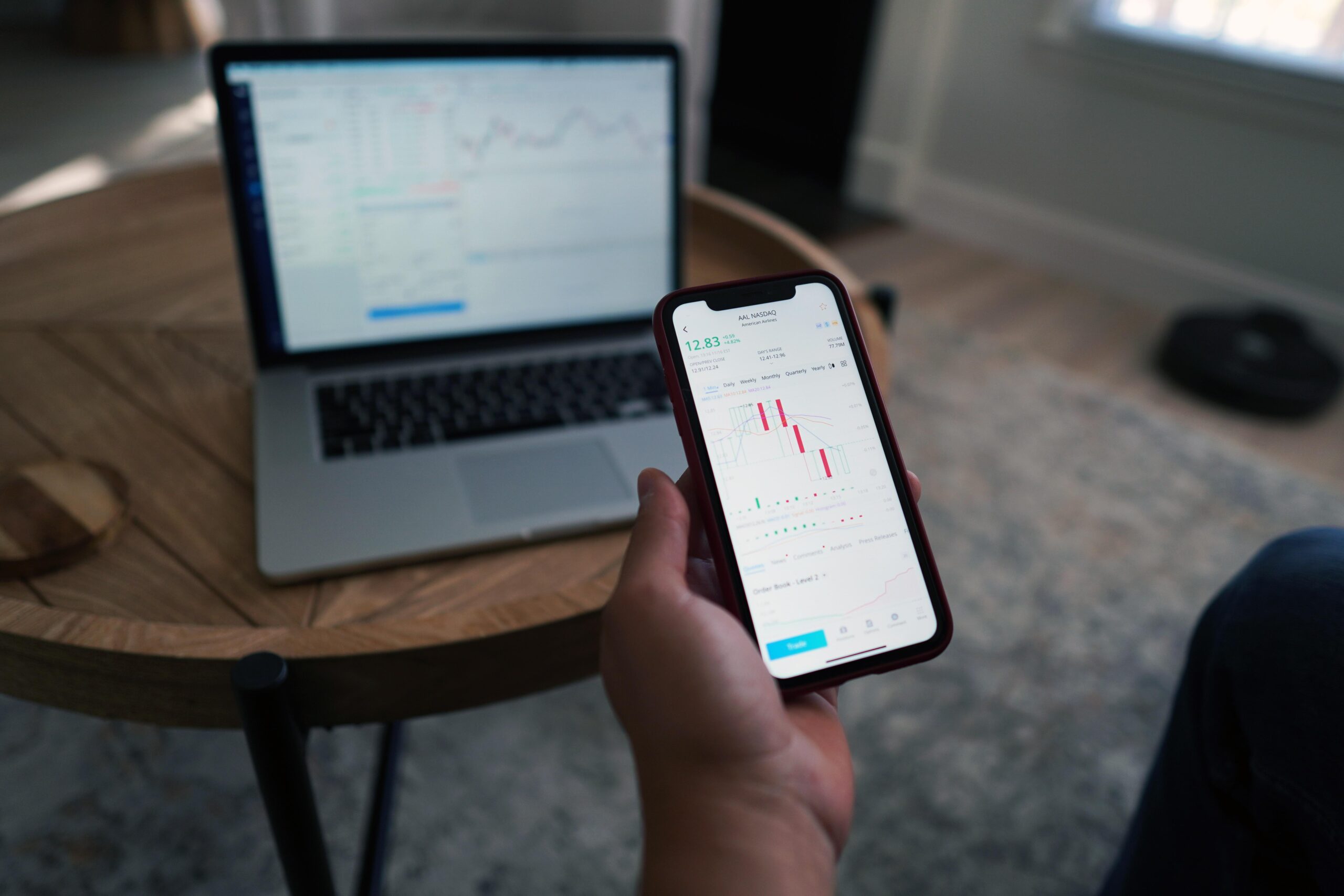
How Does Copy Trading Work Step by Step?
The process can be divided into several stages.
1. Choose a Copy Trading Platform
The first step is finding a broker or platform that supports copy trading.
There are different types of copy trading platforms. Some, such as eToro, integrate copy trading directly into their investment platform. Other brokers provide copy trading through platforms such as MetaTrader or cTrader.
When comparing providers, look at:
- Regulation
- Trading costs
- Available markets
- Copy trading technology
- Number of strategy providers
- Minimum investment
- Risk management features
- Platform functionality
- Withdrawal conditions
The cheapest platform isn’t necessarily the best platform.
Your priority should be finding a regulated provider with suitable trading conditions and a copy trading system you understand.
2. Open and Fund Your Account
After choosing a platform, you open a trading account and complete the required verification.
You then deposit the capital you want to use for copy trading.
You don’t necessarily need to allocate your entire account to one trader.
For example, you could have $10,000 in your account but allocate only $2,000 to a particular copy trading strategy.
The remaining capital can stay unallocated or potentially be used for other strategies.
This flexibility can be useful for managing risk.
3. Find a Trader to Copy
This is one of the most important steps.
Copy trading platforms usually provide a selection of traders or strategy providers. Depending on the platform, you can see statistics such as:
- Historical return
- Maximum drawdown
- Number of trades
- Win rate
- Risk score
- Trading history
- Average holding period
- Assets traded
- Current positions
- Account growth
The temptation is often to sort the list by performance and choose whoever made the most money.
That can be a mistake.
A trader who made 100% in a few months may have taken significantly more risk than someone who generated 30% over several years.
The goal shouldn’t be to find the highest return.
The goal should be to find a strategy whose risk and performance are suitable for you.
4. Analyze the Trader’s Strategy
Before copying a trader, you should understand how they trade.
Ask questions such as:
- How long have they been trading?
- How many trades have they executed?
- What markets do they trade?
- Do they use leverage?
- How large are their positions?
- How long do they hold trades?
- What has their maximum drawdown been?
- Do they trade during major news events?
- Do they regularly increase position sizes after losses?
This information can reveal much more than a simple percentage return.
For example, a strategy with a 40% annual return and a 10% maximum drawdown may look very different from a strategy with a 100% return and a 50% drawdown.
The second trader made more money historically, but also exposed investors to considerably larger losses.
5. Decide How Much Capital to Allocate
Once you have selected a strategy, you decide how much money you want to use for copying.
The amount doesn’t necessarily have to match the trader’s account size.
Copy trading platforms generally calculate the size of your copied positions proportionally.
For example, imagine a trader has $20,000 and opens a position worth $2,000.
That represents 10% of their account.
If you allocate $1,000 to copy that trader, the platform may open a corresponding position of approximately $100.
The actual calculation depends on the platform and copying method.
Some systems also allow you to adjust the copying ratio or use fixed position sizes.
6. The Copy Trading System Replicates the Trade
This is where automation takes over.
Imagine the trader you are copying decides to buy EUR/USD.
The strategy provider opens the position.
The copy trading system detects the transaction and sends a corresponding order to your account.
Your position is then opened according to the platform’s copying rules.
If the original trader later closes the position, the system can close your corresponding position as well.
The entire process can happen automatically without you manually entering the trade.
How Are Copy Trading Positions Calculated?
One of the most important technical aspects of copy trading is position sizing.
You usually don’t want the exact same number of lots as the strategy provider.
Instead, the platform needs to scale the trade according to your available capital.
Suppose:
- Trader’s account: $50,000
- Trader opens: 1 lot EUR/USD
- Your copy allocation: $5,000
Your account is only one-tenth the size of the trader’s account.
A proportional copy system may therefore open approximately 0.10 lots rather than 1 lot.
This is only an example. Different platforms use different calculations and may consider equity, available margin, leverage and other factors.
Understanding how a platform calculates position size is therefore important before you start copying.
What Happens When the Trader Closes a Trade?
The same principle applies when the strategy provider closes a position.
Suppose the trader buys EUR/USD and later decides to close the position.
The copy trading platform sends the corresponding closing instruction to your account.
If the trade generated a profit for the original trader, your copied position may also generate a profit.
If the trade generated a loss, you can also lose money.
The result in your account may not be exactly identical to the original trader’s result.
This can happen because of differences in:
- Entry price
- Exit price
- Spread
- Slippage
- Execution speed
- Liquidity
- Account conditions
These differences can become particularly important when copying high-frequency strategies or strategies that target very small price movements.
What Happens If the Trader Changes a Position?
Some traders don’t simply open and close positions.
They may:
- Move stop-loss orders
- Change take-profit levels
- Partially close positions
- Add to existing positions
- Reduce position sizes
- Reverse their market direction
A sophisticated copy trading system can replicate these changes.
However, exactly what happens depends on the platform.
Before copying a strategy, you should understand how the platform handles modifications and partial closures.
Can You Stop Copying a Trader?
Yes.
Most copy trading platforms allow you to stop copying a trader.
You may also be able to pause copying, close copied positions or change the amount of capital allocated to the strategy.
However, stopping a strategy does not necessarily mean that every open position is immediately closed.
The available options depend on the broker.
This is something you should check before starting because you need to understand exactly what happens when you decide to stop copying.
What Is Copy Trading Risk Management?
Risk management is one of the most important parts of copy trading.
Although the trades are automated, you remain responsible for the risk in your account.
Depending on the platform, you may have access to features such as:
- Maximum drawdown
- Stop-loss settings
- Maximum allocation
- Copy ratio
- Position size limits
- Portfolio diversification
- Automatic stopping
These tools can help limit exposure, but they don’t make copy trading safe.
For example, a maximum drawdown setting can potentially stop further copying once a predefined loss level is reached, but it cannot guarantee that the actual closing price will match your intended level.
Market gaps, volatility and execution conditions can affect the final result.
Why Is Maximum Drawdown So Important?
One of the most useful statistics when evaluating a copy trading strategy is maximum drawdown.
Imagine a trader starts with $10,000.
Their account grows to $15,000 and later falls to $11,000.
Although the trader is still profitable compared with the original $10,000, they experienced a significant decline from their previous peak.
This tells you something about the risk of the strategy.
A trader with high returns but extreme drawdowns may be difficult to copy psychologically.
You need to ask yourself:
Could I tolerate the same drawdown in my own account?
If the answer is no, the strategy probably isn’t suitable for you.
How Does Copy Trading Make Money?
Copy trading doesn’t create money by itself.
Your potential profit comes from the performance of the trading strategy you are copying.
For example, if the strategy provider buys an asset and the price rises, the copied position may generate a profit.
If the price falls, the position may lose money.
Your final return can also be affected by trading costs.
These can include:
- Spreads
- Commissions
- Overnight financing
- Performance fees
- Strategy fees
- Other platform charges
Therefore, the headline performance of a strategy may not necessarily equal the exact return you receive.
Does Copy Trading Guarantee Profit?
No.
This is one of the most important things to understand.
Copy trading does not guarantee profits.
A trader can have an excellent historical track record and still experience significant losses in the future.
Markets change, strategies stop working and unexpected events can produce large price movements.
You should therefore never choose a copy trader solely because they have achieved a high historical return.
Past performance is not a guarantee of future results.
How to Choose a Good Copy Trader
There is no perfect formula for identifying the best trader to copy.
However, several factors can help you make a more informed decision.
Track Record
Look at how long the trader has been active.
A strategy with several years of history provides considerably more information than one with only a few months.
Risk
Check the maximum drawdown and risk score where available.
High returns combined with high drawdowns can indicate an aggressive trading strategy.
Consistency
Look at the performance over individual months and years.
A trader doesn’t need to be profitable every single month, but a consistent track record can provide more useful information than one exceptional period.
Trading Style
Understand whether the trader is a:
- Scalper
- Day trader
- Swing trader
- Position trader
- News trader
The strategy should fit your own expectations and risk tolerance.
Leverage
Always investigate whether the trader uses significant leverage.
Leverage can amplify both profits and losses.
A trader who generates high returns through aggressive leverage may expose your account to substantially greater risk.
Copy Trading vs. Manual Trading
The main difference between copy trading and manual trading is who makes the decisions.
With manual trading, you decide:
- What to trade
- When to enter
- Where to place the stop-loss
- Where to take profit
- How large the position should be
- When to close the trade
With copy trading, another trader makes these decisions and the platform replicates them.
Manual trading provides more control but requires more knowledge and time.
Copy trading provides more automation but gives you less control over individual trades.
Neither approach is automatically better.
Copy Trading vs. Trading Signals
Copy trading is also different from a traditional signal service.
A trading signal might provide:
EUR/USD Buy at 1.0850, Stop Loss 1.0800, Take Profit 1.0950
You then decide whether to take the trade and manually execute it.
With copy trading, the trade can automatically appear in your account.
This makes copy trading considerably more automated.
However, automation means that mistakes or aggressive trading decisions can also be replicated automatically.
Is Copy Trading Suitable for Beginners?
Copy trading can be attractive to beginners because it reduces the amount of manual work involved.
However, beginners should not assume that they can simply select a trader and forget about their account.
You should still understand basic concepts such as:
- Risk management
- Leverage
- Drawdown
- Position sizing
- Trading costs
- Volatility
- Market conditions
The better you understand these concepts, the easier it becomes to evaluate whether a strategy is appropriate.
Copy trading can potentially be a learning tool as well.
By analyzing another trader’s positions, you can see how different strategies react to market conditions and begin to understand why certain trading decisions are made.
Can You Copy Multiple Traders?
Yes, many platforms allow you to copy several traders simultaneously.
This can potentially diversify your exposure.
For example, you might allocate capital to:
- A Forex trader
- A gold trader
- An index trader
- A longer-term strategy
However, simply copying multiple traders doesn’t automatically create diversification.
If all four traders use highly leveraged strategies and trade the same market direction, your actual risk could remain highly concentrated.
Before copying several traders, examine how their strategies correlate with one another.
What Happens If a Trader Stops Trading?
Strategy providers can stop trading for various reasons.
They may:
- Stop trading permanently
- Take a break
- Change their strategy
- Close their account
- Reduce their trading activity
The platform’s rules determine what happens to your copied positions.
In some cases, open positions may remain active until they are closed. In others, you may need to take action yourself.
This is another reason why you shouldn’t treat copy trading as completely hands-off.
What Are the Biggest Mistakes in Copy Trading?
Many copy trading mistakes come from focusing on performance rather than risk.
Choosing the Highest Return
A trader at the top of a leaderboard isn’t necessarily the best trader.
They may simply be taking more risk.
Ignoring Drawdown
A strategy can generate impressive profits while experiencing huge temporary losses.
Always check drawdown.
Investing Too Much
Don’t allocate a large percentage of your available capital to one strategy simply because its historical performance looks impressive.
Ignoring Leverage
High leverage can dramatically increase losses.
Not Monitoring the Strategy
Copy trading is automated, but that doesn’t mean you should never check your account.
The strategy provider can change their approach at any time.
Chasing Recent Performance
A trader who generated exceptional returns last month may simply have benefited from favorable market conditions.
Don’t assume that the same performance will continue indefinitely.
Is Copy Trading Worth It?
Copy trading can be useful for traders and investors who want a more automated approach to the financial markets.
It can save time, provide access to different strategies and allow users to replicate experienced traders without manually executing every position.
But the convenience comes with an important trade-off:
You are delegating trading decisions, not eliminating trading risk.
The success of your copy trading account ultimately depends on the strategy you choose, the amount of risk you take and the market conditions.
Conclusion: How Does Copy Trading Work?
So, how does copy trading work?
The basic principle is simple. You select a trader or strategy, allocate capital and allow a copy trading platform to automatically replicate the trader’s positions in your account.
When the trader opens a position, your account can open a proportional position. When the trader changes or closes the position, the platform can replicate those actions according to its rules.
The technology makes the process simple, but choosing the right strategy is much more difficult.
You should look beyond historical returns and analyze drawdown, leverage, trading history, consistency, strategy and risk management.
Copy trading can save time and provide access to trading strategies you might not otherwise use. However, it doesn’t guarantee profits and doesn’t protect you from losses.
The most important principle is therefore simple:
Don’t copy a trader because they made the most money. Copy a strategy because you understand its risk and are prepared to accept the potential losses.
Overview of Topics