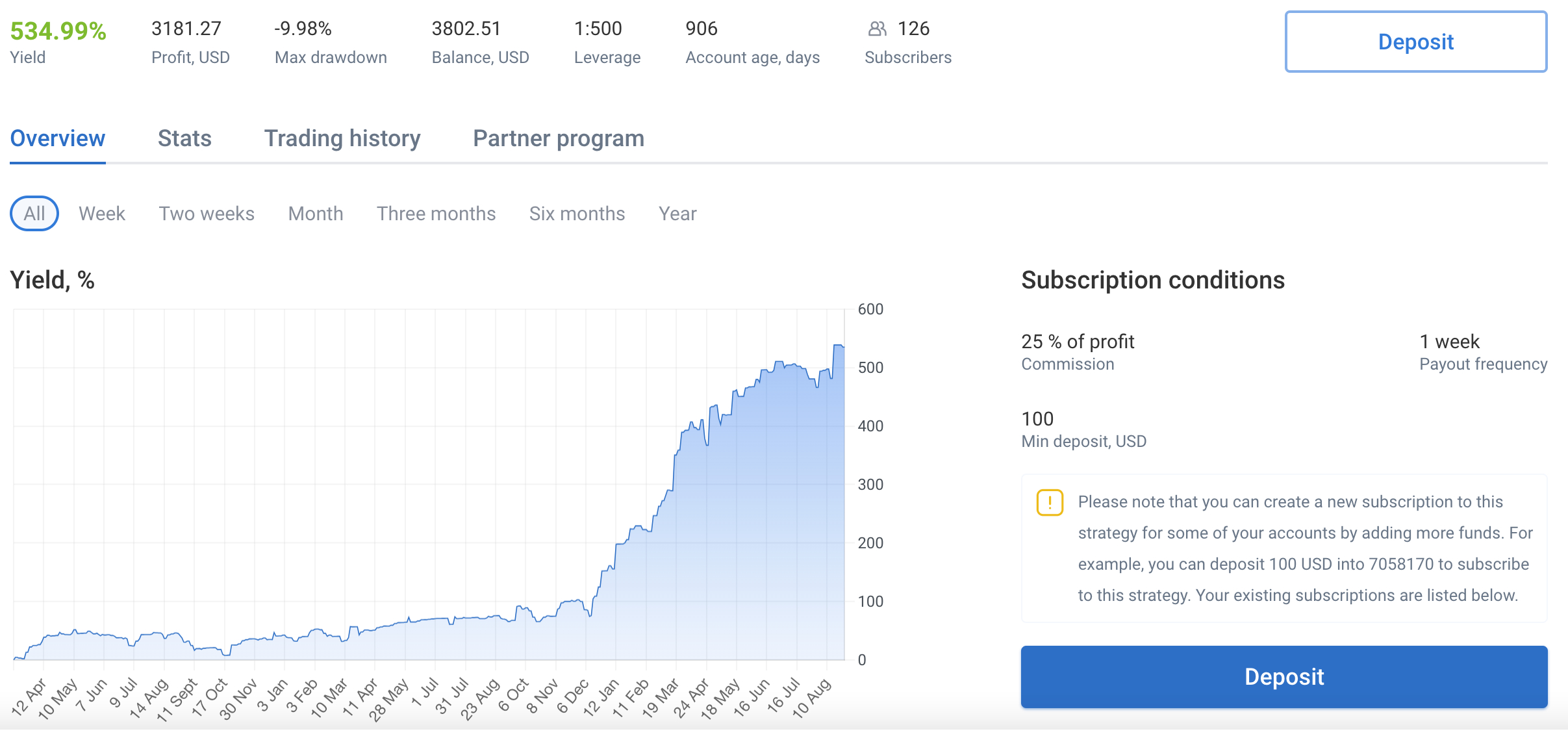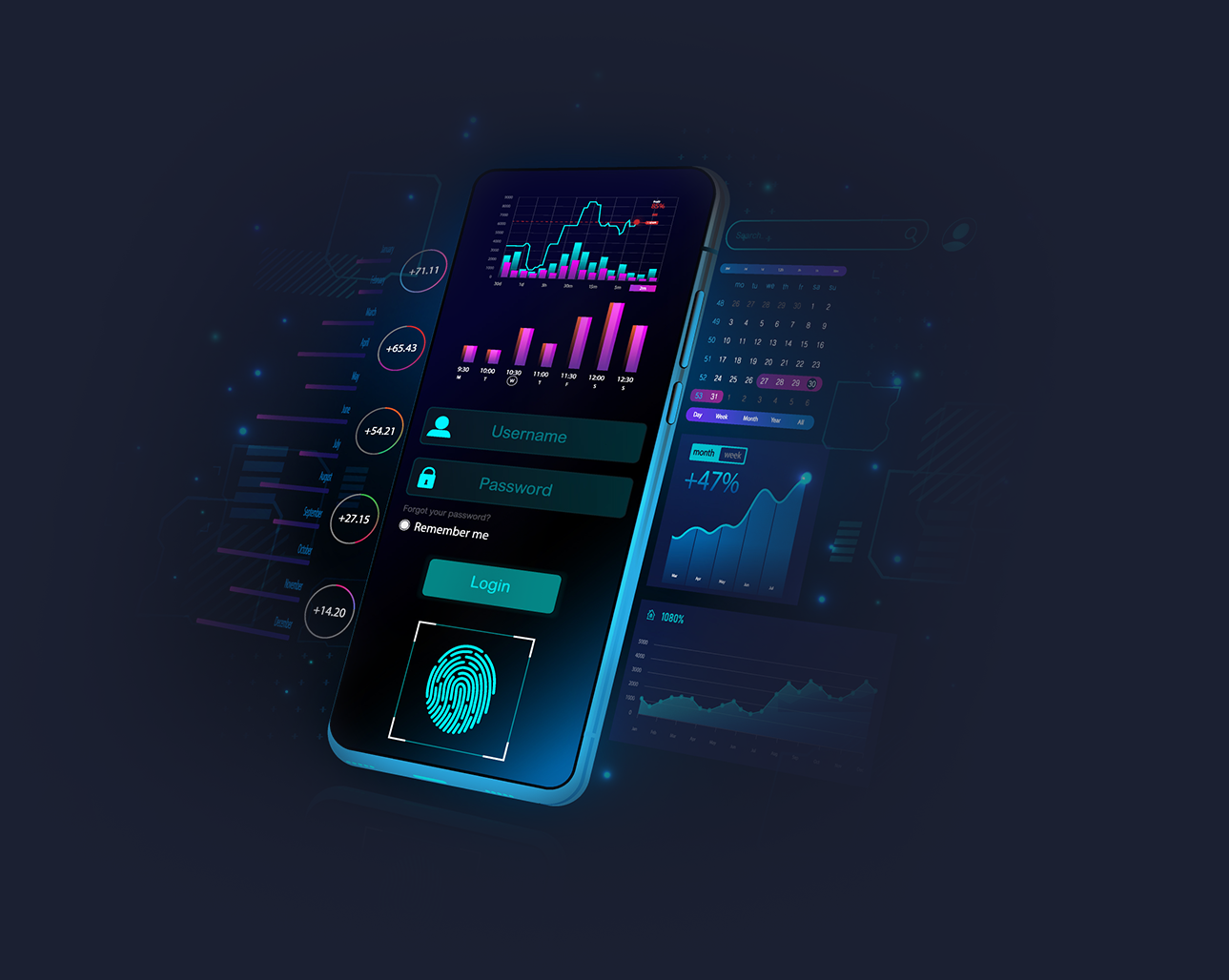
Trading has changed significantly over the last few years. Traders no longer have to sit in front of a chart all day, manually analyze every setup and place every order themselves.
With an Automated Trading Platform, many parts of the trading process can be automated.
Depending on the platform and strategy, software can analyze market data, identify trading opportunities, execute orders, manage open positions and track performance automatically.
For traders with limited time, systematic traders and professionals who want consistent execution, this can be a major advantage.
But there is an important distinction:
An automated trading platform is a tool. It is not a guarantee of profitable trading.
The quality of the underlying strategy, risk management, execution and market conditions still determine the actual trading results.
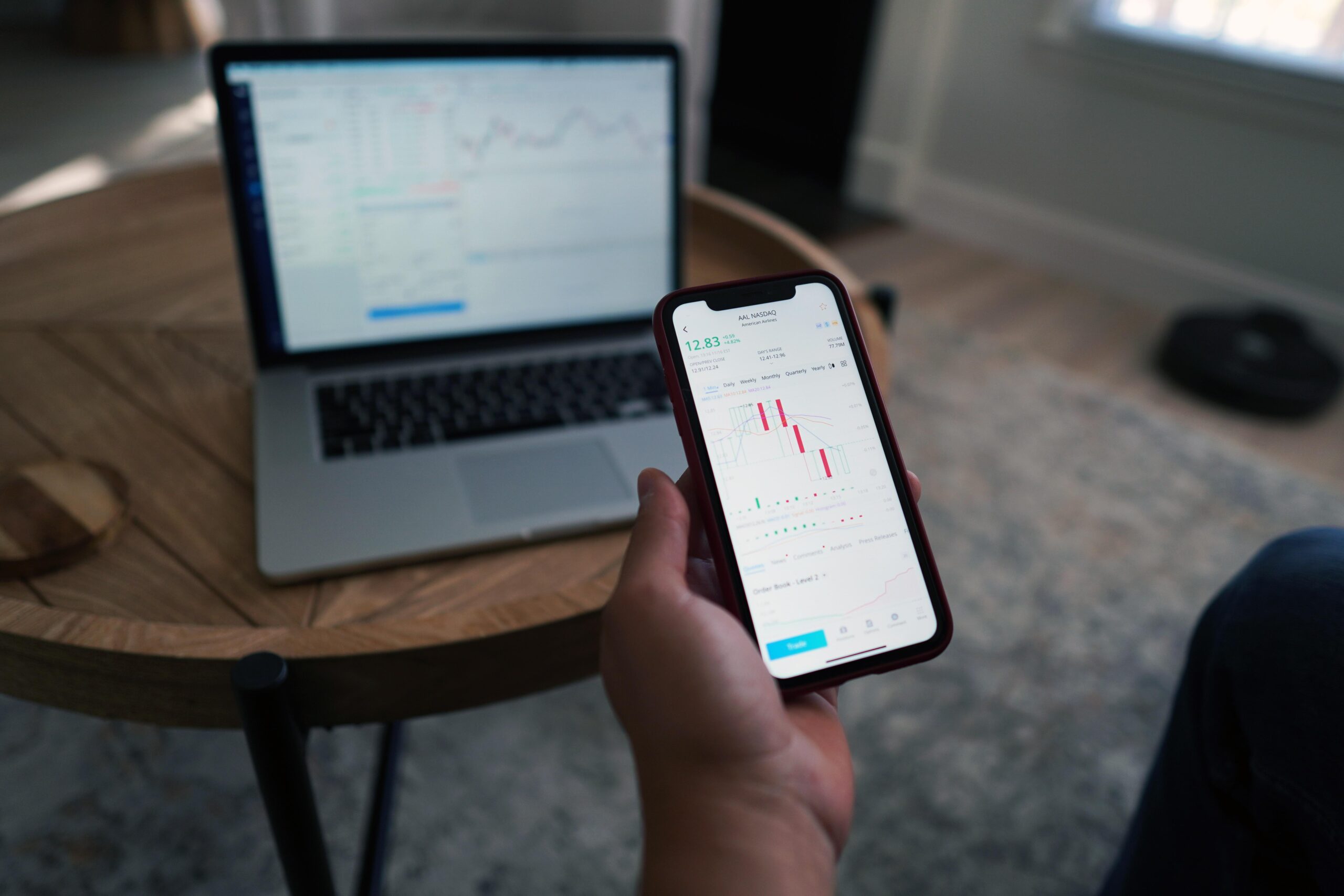
What Is an Automated Trading Platform?
An Automated Trading Platform is software that allows traders to develop, test, automate and execute trading strategies.
Instead of manually monitoring the market and executing every trade, predefined rules can be handled automatically by the platform.
Depending on the technology, an automated trading platform may provide functions such as:
Market analysis.
Automated trading signals.
Strategy development.
Backtesting.
Forward testing.
Automatic order execution.
Position management.
Risk management.
Performance tracking.
The exact functionality differs between platforms, but the goal is the same:
Turn a defined trading process into a system that can be executed consistently.
How Does an Automated Trading Platform Work?
The process starts with a trading strategy.
The strategy needs clearly defined rules that can be translated into software.
For example, a system could be programmed to open a long position when price breaks above a specific resistance level, provided that additional trend conditions are met.
The platform continuously monitors the market.
When all predefined conditions are satisfied, it generates a signal or executes the trade automatically.
After entering the market, the system can also manage the position according to predefined rules.
A simplified process looks like this:
Market Data → Strategy → Signal → Order Execution → Position Management → Exit → Performance Analysis
The more precisely the rules are defined, the easier the strategy is to automate.
Why Use an Automated Trading Platform?
The biggest reason is consistency.
Manual traders are influenced by emotions, fatigue, distractions and changing market opinions.
A trader may follow a strategy perfectly for ten trades and then abandon it after several losses.
An automated system does not make decisions based on fear or excitement.
If the conditions are met, it executes the strategy.
If the conditions are not met, it does nothing.
This can be particularly valuable for traders who struggle with discipline or who want to remove unnecessary discretion from their trading process.
Automated Trading for Busy Traders
Time is another major advantage.
Many traders have full-time jobs, businesses or family responsibilities.
Watching financial markets for several hours every day is simply not realistic for everyone.
An Automated Trading Platform can monitor markets continuously according to predefined rules.
Instead of waiting for a specific setup manually, the system can identify it automatically.
This does not mean that automated trading is completely passive.
The strategy still needs to be monitored, reviewed and maintained.
But it can significantly reduce the amount of time required for manual execution.
Automated Trading Platform vs. Manual Trading
Manual and automated trading both have advantages.
Manual trading allows traders to interpret market context and adapt to unusual situations.
Automated trading provides consistency and removes many emotional decisions.
Neither approach is automatically superior.
The important question is:
Which approach allows you to execute a tested trading strategy consistently?
For some traders, discretion is an important part of their edge.
For others, removing discretion may improve execution.
What Can Be Automated?
Almost every clearly defined part of a trading strategy can potentially be automated.
This can include:
Entry conditions.
Exit conditions.
Stop-loss placement.
Take-profit levels.
Position sizing.
Trading sessions.
Maximum number of trades.
Daily loss limits.
Trailing stops.
Trade management.
Performance reporting.
The more objective the rules are, the easier they are to automate.
Automated Forex Trading
Forex is one of the most common markets for automated trading.
Currencies such as EUR/USD, GBP/USD and USD/JPY can be monitored continuously by automated systems.
Different strategies can be used, including:
Trend following.
Breakout trading.
Momentum strategies.
Mean reversion.
Session-based strategies.
Automated Forex trading can be especially useful when a strategy requires monitoring the market at specific times.
However, spreads, execution quality, slippage and market conditions still have a major impact on performance.
Automated Gold Trading
Gold is another market frequently used with automated trading strategies.
Gold can experience strong price movements in response to interest-rate expectations, inflation data, US dollar movements and major economic events.
An automated system can be designed to trade specific conditions rather than reacting emotionally to sudden price movements.
However, gold can also become extremely volatile.
A strategy that works well during normal conditions may behave very differently during major news events.
Automated Nasdaq Trading
Automated trading is not limited to currencies and commodities.
Major stock indices such as the Nasdaq can also be traded systematically.
For example, traders can automate:
Opening range breakouts.
Trend strategies.
Momentum setups.
Breakout systems.
Mean-reversion strategies.
The key is always the same:
The strategy must have clearly defined rules and must be tested under realistic market conditions.
Key Features of an Automated Trading Platform
Not every platform provides the same functionality.
When evaluating an Automated Trading Platform, several features are particularly important.
Strategy Development
The platform should allow traders to translate their trading ideas into clearly defined rules.
Depending on the platform, this may require programming knowledge or may be possible through a visual strategy builder.
Backtesting
Backtesting allows a strategy to be tested against historical market data.
A good backtesting environment can help traders understand how the strategy behaved during different market conditions.
Forward Testing
Forward testing allows traders to evaluate the strategy using new or live market data.
This can help identify differences between historical results and real-world execution.
Automated Execution
The platform should be capable of executing orders reliably according to the strategy’s rules.
Execution speed and reliability can be particularly important for short-term strategies.
Risk Management
Professional automation should include risk management.
Position size, stop-losses, maximum daily losses and exposure limits should be configurable.
Performance Analytics
A serious trading platform should provide detailed performance information.
Important metrics include:
Win rate.
Average win.
Average loss.
Profit factor.
Maximum drawdown.
Number of trades.
Expected value.
These metrics provide a much better picture than simply looking at total profit.
Backtesting an Automated Trading Strategy
Backtesting is one of the most important tools available to systematic traders.
The strategy is applied to historical data to determine how it would have performed in the past.
A backtest can reveal important characteristics of a strategy.
For example, it can show whether the strategy tends to perform better during trending or ranging markets.
It can also reveal losing streaks and drawdowns that may not be obvious from the overall return.
But there is a major limitation:
Past performance does not guarantee future results.
The Danger of Overfitting
Automated trading makes it easy to optimize a strategy.
A trader can change entry conditions, stop-loss distances, trading times and dozens of other parameters.
Eventually, the historical results may look extremely impressive.
But this can create a problem known as overfitting.
The strategy may have been optimized specifically for the historical dataset instead of being genuinely robust.
When market conditions change, the system can then perform very differently.
A robust automated strategy should therefore not simply produce the best possible backtest.
It should perform reasonably well across different market conditions and unseen data.
Automated Trading and Artificial Intelligence
Artificial intelligence is increasingly being used in automated trading.
Machine learning models can process large amounts of market data and search for statistical patterns.
This can create interesting opportunities.
But AI does not eliminate the fundamental problems of trading.
A model can still be overfitted.
Data can be incomplete.
Market regimes can change.
Historical relationships can disappear.
A sophisticated AI model can therefore produce a very impressive backtest and still fail in live trading.
The technology is not the edge by itself.
The quality and robustness of the trading process remain more important.
Automated Trading and Risk Management
Automation makes risk management even more important.
A manual trader might hesitate before opening a large position.
An automated system does not hesitate.
If the rules allow the trade, the system may execute it immediately.
That is why every automated strategy should have clearly defined risk limits.
These can include:
Maximum risk per trade.
Maximum daily loss.
Maximum drawdown.
Maximum position size.
Maximum number of simultaneous trades.
Maximum market exposure.
Emergency shutdown rules.
Risk management should be built into the system rather than added later.
Why Martingale Systems Are Dangerous
Some automated trading systems use Martingale strategies.
After a losing trade, the system increases the next position size in an attempt to recover the previous loss.
This can create an attractive equity curve during favorable periods.
The problem appears during a prolonged losing streak.
Position sizes can grow extremely quickly.
Eventually, a single additional loss can create a very large drawdown or even wipe out the trading account.
For this reason, traders should be extremely cautious when evaluating automated systems that rely on aggressive position increases.
Trading Costs Matter
An automated strategy may generate hundreds or thousands of trades.
That makes trading costs particularly important.
Even a small spread or commission can have a significant impact when multiplied across a large number of trades.
Important costs include:
Spreads.
Commissions.
Overnight financing.
Slippage.
Market data costs.
Platform fees.
A strategy that looks profitable before costs may become unprofitable after realistic trading expenses are included.
Slippage in Automated Trading
Slippage occurs when the actual execution price differs from the expected price.
This can happen during fast market movements or periods of reduced liquidity.
For automated strategies, slippage can be particularly important because the system may execute trades automatically without waiting for better conditions.
A realistic backtest should therefore consider execution costs whenever possible.
How to Choose an Automated Trading Platform
Choosing a platform should begin with the trading strategy rather than the marketing.
Ask yourself:
What markets do I want to trade?
Do I need full automation or only signals?
Can I backtest my strategy?
Can I forward-test it?
Does the platform provide realistic performance statistics?
How reliable is order execution?
Can I control risk parameters?
Are trading costs transparent?
Does the platform integrate with my broker?
Can I export or analyze my trading data?
The best platform is not necessarily the one with the most features.
It is the one that fits the actual requirements of your trading system.
Automated Trading Platform for Beginners
Beginners should be particularly careful with automated trading.
The fact that a platform can execute trades automatically does not mean the trader understands the strategy.
Before using real money, it is important to understand:
Why the system enters a trade.
Why it exits.
How much it risks.
How frequently it trades.
What its historical drawdowns look like.
What happens during unusual market conditions.
Automation should not become a substitute for trading knowledge.
Automated Trading for Experienced Traders
Experienced traders can use automation in several ways.
They can automate their entire strategy or only specific parts of their workflow.
For example, a trader might manually identify the market direction but let software calculate the position size and execute the trade.
Another trader might automate the entire strategy from entry to exit.
There is no single correct level of automation.
The right approach depends on the strategy and the trader.
Is an Automated Trading Platform Profitable?
The platform itself does not determine whether trading is profitable.
Profitability comes from the combination of:
A viable trading strategy.
Positive expectancy.
Effective risk management.
Reliable execution.
Controlled trading costs.
Consistent implementation.
Market conditions.
This distinction is extremely important.
An automated platform can execute a profitable strategy consistently.
It can also execute an unprofitable strategy consistently.
Automation amplifies the execution of the strategy. It does not create the edge.
The Future of Automated Trading
Automated trading is likely to become increasingly accessible.
Technology that was once available primarily to institutional traders is now accessible to individual traders as well.
Strategy builders, APIs, algorithmic trading platforms and AI tools are lowering the technical barriers.
But easier access does not mean easier profits.
As more traders automate their strategies, the quality of the underlying research, testing and risk management becomes even more important.
The future of trading may not belong to the trader with the most complicated algorithm.
It may belong to the trader who can develop a simple, robust and measurable process and execute it consistently.
Conclusion: Is an Automated Trading Platform Worth It?
An Automated Trading Platform can be a powerful tool for traders who want to systematize their trading process.
It can reduce emotional decisions, save time, monitor markets continuously and execute predefined strategies consistently.
But automation should never be confused with guaranteed profitability.
Before using an automated strategy with real money, traders should understand the underlying logic, conduct realistic backtesting, perform forward testing and establish clear risk limits.
The most important question is therefore not:
“Which automated trading platform makes the most money?”
It is:
“Which platform allows me to build, test and execute a trading strategy that I actually understand?”
That shift in perspective is crucial.
Because successful automated trading is not about finding a magic button.
It is about turning a proven trading process into consistent execution.
Overview of Topics