Financial markets can be complex, fast-moving, and intimidating, especially for beginners. Social trading offers a way to participate in Forex, CFDs, indices, and commodities by learning from and interacting with other traders. It combines investment opportunities with a social, community-driven experience, making trading more accessible and educational.
In this article, we will explore what social trading is, how it works, its benefits and risks, and practical strategies for using it effectively.
What Is Social Trading?
Social trading is a method of investing that allows individuals to observe, interact with, and replicate the strategies of other traders. Unlike traditional trading, where you make decisions entirely on your own, social trading integrates community insights, performance metrics, and collaborative learning.
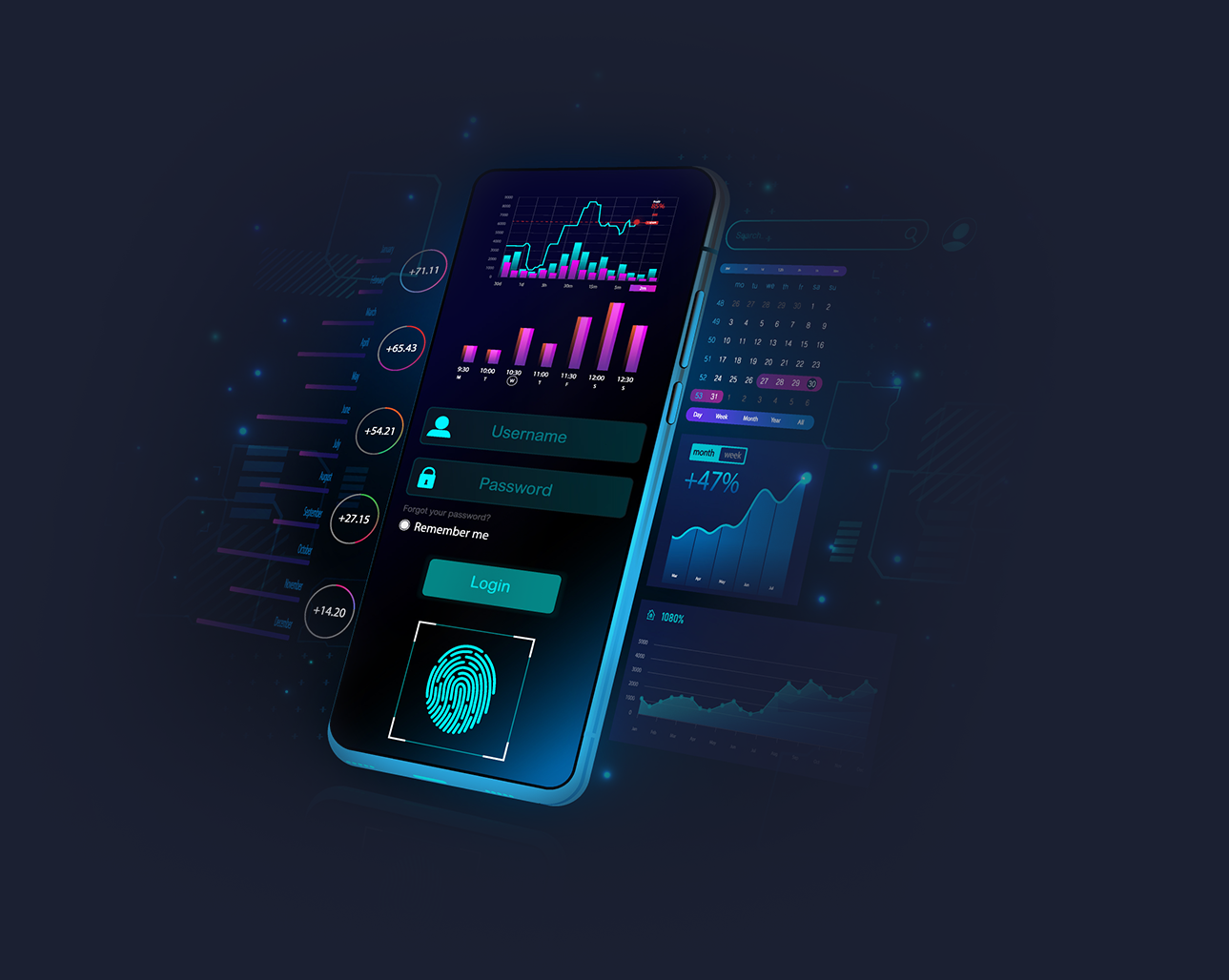
Platforms for social trading provide real-time data, trade feeds, and the ability to follow or copy trades from top-performing traders. This makes it easier to understand market dynamics, learn strategies, and make informed investment decisions without being an expert.
How Social Trading Works
At the core of social trading are three key elements: visibility, interaction, and replication.
- Visibility: You can see the trades, performance metrics, and strategies of other traders. This transparency helps identify reliable and consistent performers.
- Interaction: Many platforms include social features such as messaging, comments, and discussion boards. This allows you to ask questions, exchange ideas, and understand the reasoning behind trades.
- Replication: Social trading often overlaps with copy trading. You can automatically replicate the trades of successful traders, scaling positions proportionally to your account and risk preference.
By combining these elements, social trading bridges the gap between learning and earning, providing a hands-on way to understand financial markets.
Benefits of Social Trading
Learning from Experienced Traders
One of the most significant advantages of social trading is the opportunity to learn from professionals. By observing their decision-making process, trade setups, and risk management techniques, you gain insights that would take years to acquire independently.
Time Efficiency
Social trading is ideal for individuals with limited time. Instead of monitoring charts and analyzing data continuously, you can leverage the actions of skilled traders while still maintaining control over your investments.
Portfolio Diversification
Through social trading, you can diversify your investments by following multiple traders with different strategies, markets, and risk levels. This reduces the potential impact of individual mistakes or market volatility.
Community Support
The social aspect of these platforms allows you to ask questions, share insights, and stay informed about market developments. This community interaction provides support and can enhance your confidence and decision-making skills.
Risks Associated with Social Trading
While social trading offers many benefits, it also involves risks that every trader should understand.
Market Risk
All trading involves market risk. Even the best traders can experience losses due to sudden market movements, economic changes, or unexpected news events.
Trader Risk
Not all traders are reliable. High past returns do not guarantee future success. Following a trader without evaluating their performance, risk profile, and strategy can lead to significant losses.
Platform Risk
Technical failures, downtime, or regulatory limitations on the social trading platform can affect trade execution. Using a well-regulated, reputable platform reduces but does not eliminate this risk.
Emotional Risk
Seeing real-time trades and gains can trigger impulsive decisions or emotional reactions. Even automated replication can lead to stress if expectations are unrealistic.
How to Use Social Trading Effectively
Step 1: Define Your Goals and Risk Tolerance
Before participating in social trading, clarify your objectives. Are you seeking long-term growth, short-term profits, or portfolio diversification? Understanding your risk tolerance ensures that the traders you follow match your financial profile.
Step 2: Analyze Traders’ Performance
Review a trader’s history carefully. Look at their consistency, maximum drawdowns, winning rate, and trading frequency. Focus on steady, disciplined performance rather than chasing high returns.
Step 3: Understand Trading Strategies
Social trading allows you to observe various strategies. Make sure you understand the reasoning behind trades, the assets being traded, and the risk management techniques used. This knowledge will help you make informed decisions.
Step 4: Diversify Across Multiple Traders
Avoid relying on a single trader. Diversify your account by following several traders with different strategies, markets, and styles. This reduces overall risk and smooths portfolio performance.
Step 5: Monitor Performance Regularly
Even with automated trading, periodic review is essential. Assess whether the traders still align with your goals, adjust allocations if needed, and stay informed about changes in strategy or market conditions.
Step 6: Use Platform Tools Wisely
Social trading platforms provide performance metrics, risk scores, and trade analytics. Use these tools to evaluate traders and make data-driven decisions.
Conclusion
Social trading is more than a trend; it is a practical approach to learning, networking, and investing in financial markets. By observing experienced traders, engaging with a community, and applying automated replication responsibly, you can participate in Forex, CFDs, indices, and commodities more confidently.
Understanding the risks, diversifying your portfolio, and regularly reviewing performance are key to turning social trading into a reliable tool for both learning and growth. With the right approach, social trading allows beginners and busy professionals alike to trade smarter, save time, and gradually improve their market knowledge.