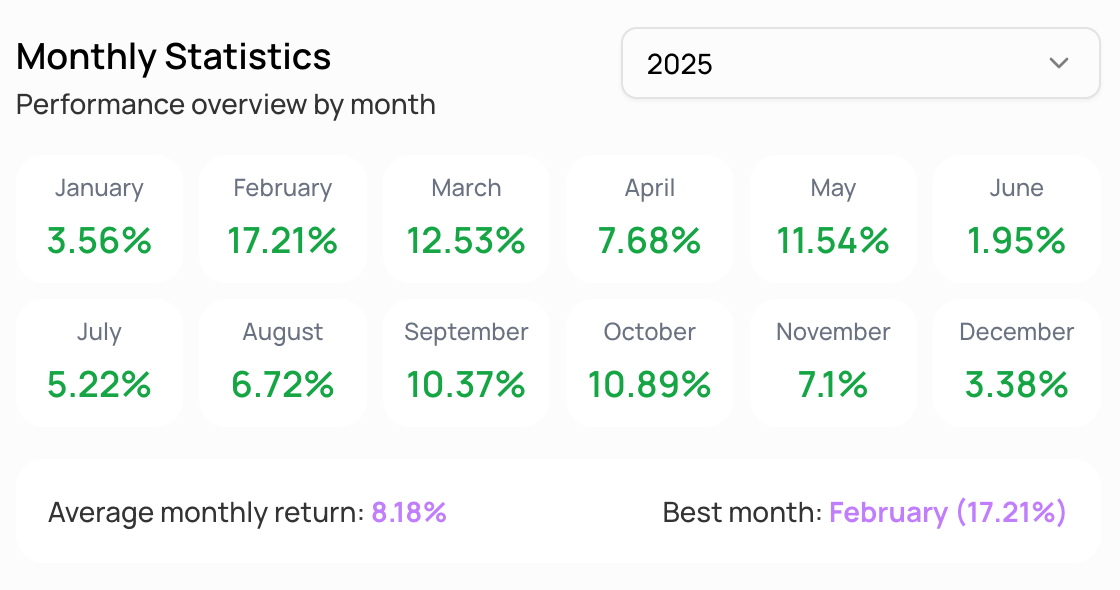
Copy trading is no longer a hidden gem in the trading world. What was once seen as a shortcut for beginners has evolved into a serious and widely used strategy across global financial markets. In 2026, copy trading is more advanced, more transparent, and more accessible than ever before.
But what does it really mean—and how does it actually work today?
What Copy Trading Really Means
At its core, copy trading allows you to automatically replicate the trades of another trader in your own account. Instead of analyzing charts, managing entries, or watching the markets all day, you connect your account to a strategy or trader you trust.
When that trader opens or closes a position, the same action is executed in your account—adjusted to your capital. If they risk 1% of their account, you risk 1% of yours. It’s not just copying trades—it’s copying decision-making in real time.
This makes copy trading especially attractive for people who don’t have the time, experience, or emotional discipline to trade actively.
How Copy Trading Works in 2026
The mechanics behind copy trading have become more refined over the years. Today’s systems are faster, smarter, and more customizable.
First, you choose a platform that offers copy trading functionality. These platforms provide access to a range of traders or automated strategies, often with detailed performance statistics, risk scores, and historical data.
Once you select a trader or system, you allocate a portion of your capital to follow them. From that moment on, trades are mirrored automatically in your account.
However, in 2026, it doesn’t stop there.
Modern copy trading platforms allow you to define your own rules. You can set maximum drawdown limits, adjust risk levels, cap lot sizes, or stop copying if certain conditions are met. This gives you control without needing to actively trade.
Additionally, execution speeds have improved significantly. With low-latency infrastructure and better broker integrations, the gap between the original trade and the copied trade is now minimal.
The Role of Automation and AI
One of the biggest changes in 2026 is the integration of automation and artificial intelligence.
Many copy trading systems are no longer based solely on human traders. Instead, they are powered by algorithmic strategies that analyze market conditions, adapt to volatility, and execute trades based on data-driven models.
AI is also used to evaluate traders. Platforms can now detect consistency, risk behavior, and even emotional patterns in trading performance. This helps users make more informed decisions when choosing who to copy.
Some systems even dynamically adjust your allocation across multiple traders, optimizing your portfolio automatically.
Advantages of Copy Trading
Copy trading offers a number of clear benefits, especially in today’s fast-paced world.
The biggest advantage is time efficiency. You don’t need to spend hours in front of charts. Once set up, the system runs in the background.
It also lowers the entry barrier. Beginners can participate in the markets without years of experience.
Another key benefit is diversification. Instead of relying on a single strategy, you can copy multiple traders with different approaches—forex, gold, indices, or crypto.
Lastly, it removes emotional decision-making. Since trades are executed automatically, there’s less room for fear, greed, or overtrading.
The Risks You Should Understand
Despite its advantages, copy trading is not risk-free.
You are still exposed to market risk. If the trader you follow experiences a losing streak, your account will reflect that.
Over-reliance is another issue. Many users blindly trust performance statistics without understanding the strategy behind them.
There’s also the risk of selecting the wrong trader. High returns often come with high risk, and past performance does not guarantee future results.
In 2026, platforms provide better tools to manage these risks—but responsibility still lies with you.
Who Is Copy Trading For?
Copy trading is ideal for people who want exposure to financial markets but lack time or experience.
It’s also suitable for busy professionals, entrepreneurs, or anyone looking for a more passive approach to trading.
However, it’s not a “set and forget forever” solution. Even in 2026, successful users regularly monitor performance, adjust allocations, and stay informed.
Copy Trading vs Traditional Trading
Traditional trading requires skill, time, and emotional control. You analyze markets, develop strategies, and execute trades yourself.
Copy trading shifts that responsibility. You leverage the expertise of others or automated systems instead.
The trade-off is clear: less control in exchange for less effort.
For many people, especially in 2026, that’s a trade they are willing to make.
The Future of Copy Trading
Looking ahead, copy trading will likely become even more integrated with AI and portfolio management tools.
We’re already seeing systems that combine multiple strategies, adjust risk dynamically, and learn from market behavior in real time.
Transparency is also improving. Users demand clearer data, verified track records, and better insights into how strategies actually work.
In the coming years, the line between copy trading, asset management, and automated investing will continue to blur.
Final Thoughts
Copy trading in 2026 is no longer just about copying someone else’s trades. It’s about leveraging technology, data, and strategy to participate in the markets in a smarter, more efficient way.
But while the tools have improved, the core principle remains the same: you are trusting a system or trader with your capital.
And that decision should always be made carefully.
If used correctly, copy trading can be a powerful way to grow your account without being glued to the charts all day.