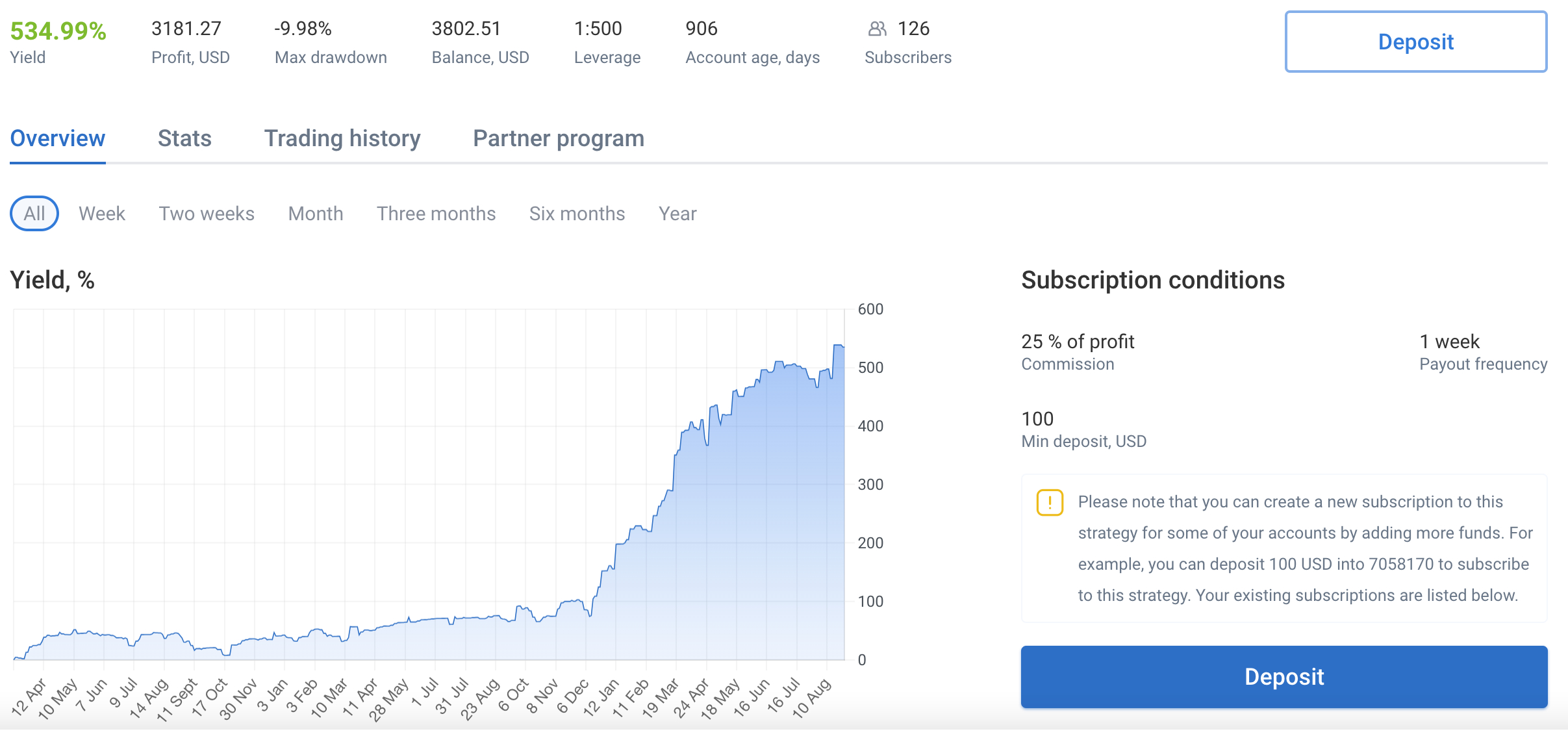
Copy trading has become a popular way for beginners to participate in Forex, CFD, and commodity markets without having to develop complex strategies from scratch. By replicating the trades of experienced professionals, newcomers can gain exposure to proven methods and learn the nuances of the markets. However, as with any financial activity, mistakes can happen—especially for those who are new to copy trading.
In this article, we’ll explore the top five mistakes new copy traders make and provide practical guidance on how to avoid them.

Mistake 1: Following Traders Without Research
One of the most common errors beginners make is following a trader simply because they appear successful or have high returns. Relying solely on past performance without understanding the trader’s style, risk tolerance, or strategy can lead to unexpected losses.
How to avoid it:
Before following any trader, take the time to review their historical performance, risk scores, and trading behavior. Look for consistency over time rather than isolated big wins. Understand whether the trader focuses on short-term trades, long-term positions, Forex, CFDs, indices, or commodities. This research ensures you’re aligning with a strategy that matches your financial goals and risk appetite.
Mistake 2: Allocating Too Much Capital Too Soon
Many beginners are eager to maximize potential gains and allocate a large portion of their portfolio to a single trader. This exposes them to significant risk, particularly if the trader’s strategy turns volatile.
How to avoid it:
Start small. Allocate only a portion of your portfolio to copy trading initially. Monitor how the trader performs and gradually increase your allocation as you gain confidence. Diversifying your capital across multiple traders also reduces the risk of heavy losses from a single underperforming strategy.
Mistake 3: Ignoring Risk Management
Some new copy traders assume that because they are following a professional, risk management is handled automatically. However, even top traders can experience drawdowns or make decisions that don’t align with your personal risk tolerance.
How to avoid it:
Set limits on your account, such as maximum drawdown thresholds or stop-loss levels. Use the platform’s risk indicators to select traders whose risk profile matches yours. Diversifying across several traders with different strategies also helps manage overall risk. Remember, copy trading is a tool to replicate strategy, but it doesn’t eliminate the inherent risks of financial markets.
Mistake 4: Chasing High Returns Without Understanding the Strategy
High returns can be tempting, but they often come with higher risk. Beginners sometimes follow traders who promise extraordinary profits without understanding the underlying strategy or the volatility involved. This can lead to unexpected losses and frustration.
How to avoid it:
Focus on consistency rather than exceptionally high returns. Look for traders who have a stable track record, clear documentation of their strategy, and manageable risk scores. Understanding how a trader makes decisions—such as using technical indicators, market news, or hedging strategies—will help you evaluate whether their approach suits your objectives.
Mistake 5: Neglecting to Monitor Performance
Some beginners assume that once they start copying trades, they can set it and forget it entirely. While automation reduces the need for constant monitoring, neglecting to review performance can lead to missed opportunities to adjust your strategy or reallocate capital.
How to avoid it:
Check your portfolio regularly, even if it’s just once a week. Review trader performance, ensure strategies still align with your goals, and make adjustments as needed. Rebalancing and evaluating results periodically helps maintain a healthy, diversified portfolio and ensures you’re learning from your copy trading experience.
Additional Tips for New Copy Traders
- Diversify across markets: Don’t limit yourself to Forex alone. Copy traders in CFDs, indices, and commodities to reduce correlation risk.
- Start with one or two traders: Avoid spreading yourself too thin initially. Focus on understanding the performance and style of a few traders.
- Use copy trading as a learning tool: Observe why traders make certain decisions. This passive learning helps you improve your own trading skills over time.
- Be patient: Copy trading is not a get-rich-quick method. Treat it as a way to gradually build knowledge, experience, and potentially steady returns.
Conclusion
Copy trading offers a powerful way for beginners to enter financial markets, learn from experienced professionals, and potentially grow their portfolios without dedicating hours to active trading. However, like any investment tool, it comes with potential pitfalls. By avoiding these top five mistakes—following traders blindly, allocating too much capital too soon, ignoring risk management, chasing high returns without understanding the strategy, and neglecting to monitor performance—you can approach copy trading with confidence and make informed decisions.
For new traders, the key is to start cautiously, diversify wisely, and use copy trading not only as a method to replicate trades but also as a learning platform. With patience, attention to risk, and strategic planning, beginners can transform copy trading from a simple automated tool into a valuable, long-term investment approach.
Overview of Topics
- Mistake 1: Following Traders Without Research
- Mistake 2: Allocating Too Much Capital Too Soon
- Mistake 3: Ignoring Risk Management
- Mistake 4: Chasing High Returns Without Understanding the Strategy
- Mistake 5: Neglecting to Monitor Performance
- Additional Tips for New Copy Traders
- Conclusion
- Follow Verified Traders Now