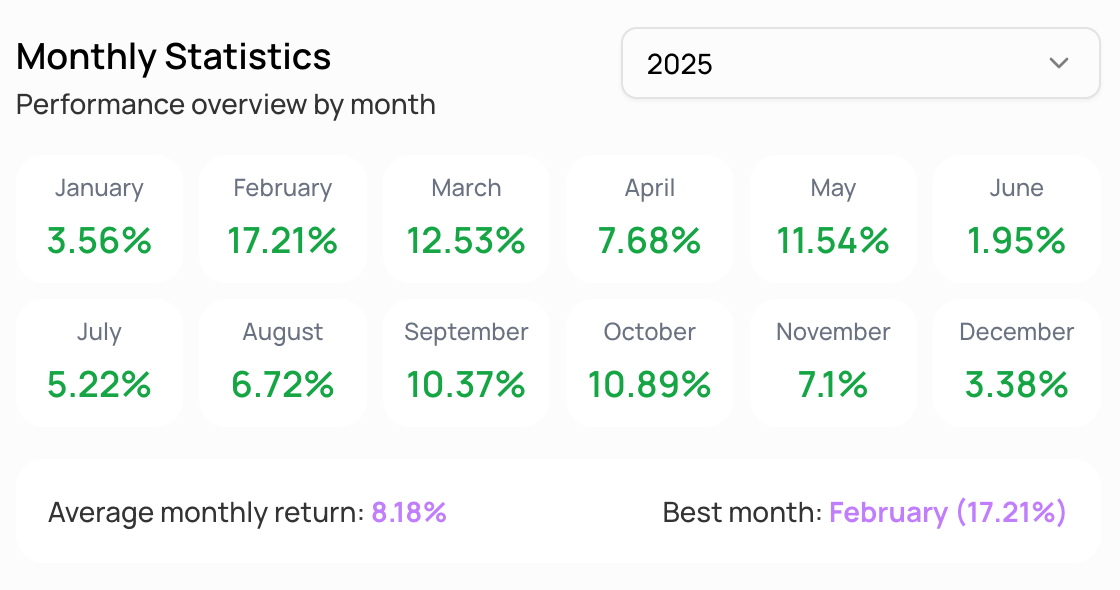
Copy trading has become an increasingly popular way to participate in Forex, CFD, and commodity markets without spending hours analyzing charts or developing complex strategies. By replicating the trades of experienced traders, beginners and even seasoned investors can gain exposure to proven trading methods. However, the success of copy trading depends largely on choosing the right traders to follow.
In this article, we will explore practical strategies to select traders who match your goals, risk tolerance, and investment style. Choosing wisely can improve your results and make copy trading a valuable part of your financial strategy.

Why Choosing the Right Trader Matters
Not all traders are created equal. While some consistently apply disciplined strategies, others may take high risks for short-term gains. Copying the wrong trader can lead to unexpected losses, even if their historical performance looks attractive.
Selecting the right trader ensures that your portfolio aligns with your financial objectives, risk tolerance, and preferred markets. This alignment is crucial for long-term success in copy trading.
Step 1: Understand Your Goals and Risk Tolerance
Before choosing traders to copy, clarify your own financial goals and risk tolerance. Ask yourself:
- Are you looking for short-term profits or long-term growth?
- How much volatility are you willing to accept in your portfolio?
- What portion of your capital are you comfortable allocating to copy trading?
Your answers will guide the type of traders you should consider. For example, a conservative investor may prefer traders with moderate, consistent returns, while someone seeking aggressive growth may follow traders with higher risk profiles.
Step 2: Review Performance History
One of the most important steps in selecting traders is reviewing their performance history. This includes metrics such as:
- Overall returns: How much profit the trader has generated over time.
- Consistency: Are returns stable, or do they fluctuate wildly?
- Drawdowns: The largest losses experienced during a period.
- Trade frequency: How often the trader opens and closes positions.
Focusing solely on high returns can be misleading. Consistency and risk management are often more important indicators of a trader’s reliability.
Step 3: Analyze Trading Style and Markets
Each trader has a unique style and preferred markets. Some may focus on Forex, while others trade CFDs, indices, or commodities. Styles can range from short-term day trading to long-term positions.
To choose the right trader, consider:
- Does the trader’s style align with your available time and goals?
- Are you comfortable with the assets they trade?
- Do they use strategies that you understand or are willing to learn?
Matching your preferences with a trader’s approach ensures that you feel confident and in control, even while replicating their trades.
Step 4: Evaluate Risk Management
Risk management is a key factor that distinguishes professional traders from beginners. Look for traders who:
- Use stop-losses and position sizing.
- Limit exposure on high-risk trades.
- Avoid extreme leverage.
- Show consistent control over drawdowns.
A trader’s ability to manage risk effectively is often a stronger indicator of long-term success than short-term profits.
Step 5: Diversify Across Multiple Traders
Relying on a single trader can be risky. Even experienced traders can face periods of underperformance. Diversifying across several traders helps reduce overall risk and smooth returns.
When diversifying, consider:
- Following traders with different strategies and market focuses.
- Allocating capital proportionally based on risk and performance.
- Monitoring overall portfolio correlation to avoid concentrated exposure.
Diversification ensures that no single mistake or market event disproportionately affects your investments.
Step 6: Monitor Performance Regularly
Choosing the right trader is not a one-time decision. Markets change, and trader performance can fluctuate. Regularly reviewing your portfolio allows you to:
- Assess whether traders still align with your goals and risk tolerance.
- Reallocate capital to better-performing or more suitable traders.
- Identify emerging patterns or strategies you may want to learn from.
Periodic monitoring is essential for maintaining a balanced and effective copy trading portfolio.
Step 7: Use Platform Tools and Metrics
Modern copy trading platforms provide valuable tools to evaluate traders, such as:
- Risk scores to quantify exposure.
- Historical charts showing performance trends.
- Trade statistics including average trade duration, winning rate, and volume.
Leveraging these metrics helps you make informed decisions and select traders who match your financial objectives.
Additional Tips for Choosing Traders
- Start small: Allocate only a portion of your capital initially to test new traders.
- Learn from observation: Use copy trading as a learning tool to understand strategies in practice.
- Avoid impulsive decisions: Don’t chase traders based on recent short-term success. Focus on consistency.
- Combine with your strategy: Copy trading can complement other investments, but don’t rely solely on it.
Conclusion
Choosing the right traders to copy is the cornerstone of successful copy trading. By understanding your goals, evaluating performance history, analyzing trading styles, and considering risk management, you can select traders who align with your objectives. Diversifying across multiple traders, monitoring performance regularly, and using platform metrics further enhances your results.
When approached thoughtfully, copy trading becomes more than a way to automate trades—it’s a tool to learn, observe, and grow your portfolio in a structured and manageable way. For both beginners and professionals, selecting the right traders ensures that copy trading adds value to your overall financial strategy, without unnecessary risk or stress.