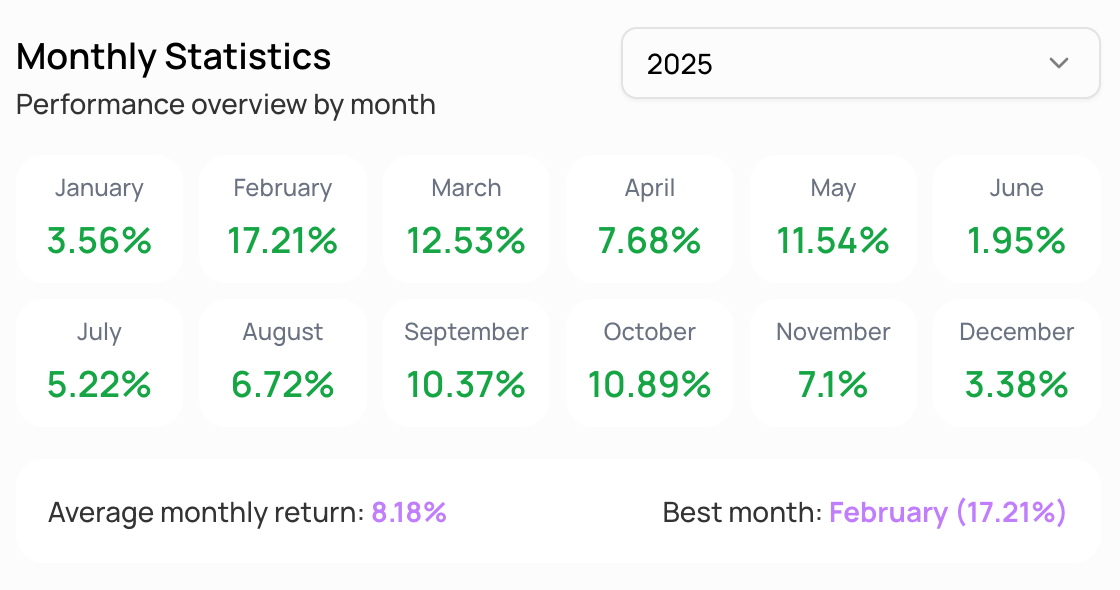
An automated trading platform is changing the way traders interact with financial markets by removing the need for constant manual execution and technical analysis. Instead of spending hours monitoring charts and reacting to market movements, users can rely on automated systems that execute trades in real time based on predefined strategies or by copying experienced traders. This approach makes Forex and CFD trading more efficient, scalable, and accessible for both beginners and advanced investors.
In traditional trading environments, success depends heavily on timing, experience, and emotional discipline. Many traders struggle not because opportunities are missing, but because execution is inconsistent. Automated trading solves this problem by removing human emotion from the equation and replacing manual decisions with structured, data-driven execution.

What an Automated Trading Platform Actually Is
An automated trading platform is a system that executes trades on behalf of the user without requiring manual intervention. Depending on the model, automation can be based on algorithmic strategies, signal systems, or copy trading functionality where users replicate the actions of professional traders.
In the context of Forex and CFD markets, this means trades are opened, managed, and closed automatically based on predefined rules or real-time trader activity. Users simply allocate capital, choose a strategy or trader, and the system handles execution.
This removes the need for constant market monitoring and allows trading to become a more passive and structured activity rather than an active, time-consuming process.
How Automated Trading Works in Practice
Automated trading platforms operate through real-time data synchronization and execution systems. Once a strategy or trader is selected, the platform continuously monitors market conditions and trading activity, then executes trades instantly when conditions are met.
In copy trading-based automation, every trade executed by a selected trader is mirrored in the user’s account proportionally. If the trader opens a position, the same position appears in the follower’s account. If they close it, the position is closed automatically. This ensures full synchronization without manual input.
In algorithmic systems, predefined rules such as entry signals, risk parameters, and exit conditions determine when trades are executed. The system follows these rules precisely, without deviation caused by emotions or hesitation.
Both models aim to achieve the same goal: consistent, rule-based execution without human interference.
Why Automated Trading Is Growing So Fast
The demand for automated trading platforms has increased significantly as more retail traders look for efficient ways to participate in Forex and CFD markets. One of the main reasons for this growth is time limitation. Many users are interested in trading but cannot spend hours analyzing charts or monitoring positions throughout the day.
Automation solves this by allowing users to participate in the markets without being actively present at all times. Trades are executed in real time, even when the user is offline.
Another major factor is emotional trading. Human decision-making often leads to overtrading, hesitation, or premature exits. Automated systems eliminate this issue by following predefined rules or copying experienced traders who already have a proven strategy.
As a result, trading becomes more consistent and structured, reducing the impact of emotional bias on performance.
The Role of Copy Trading in Automation
One of the most popular forms of automated trading is copy trading. Instead of relying on algorithms alone, users can automatically replicate the trades of professional traders. This makes the process more accessible for beginners while still offering exposure to real market strategies.
Copy trading works by connecting a user’s account to a selected trader. Every action taken by that trader is mirrored in real time. This includes entries, exits, and position sizing adjustments.
This model is particularly effective because it combines human expertise with automated execution. Users benefit from the experience of successful traders while still maintaining full control over capital allocation and risk exposure.
Advantages of an Automated Trading Platform
One of the biggest advantages of automated trading is efficiency. Users no longer need to spend long hours analyzing charts or reacting to market movements. Instead, they can focus on strategy selection and portfolio management while the system handles execution.
Another advantage is consistency. Since trades are executed based on predefined rules or copied directly from experienced traders, the impact of emotional decision-making is significantly reduced. This leads to more stable trading behavior over time.
Automation also enables diversification. Users can follow multiple strategies or traders at the same time, each with different approaches and risk profiles. This helps spread risk across different market conditions and reduces dependency on a single trading style.
Risk Management in Automated Trading
Even though automation improves efficiency, risk management remains a critical part of trading. A high-quality automated trading platform allows users to define how much capital is allocated to each strategy or trader.
Users can adjust exposure based on performance, diversify across multiple systems, and stop copying or disable automation at any time. This ensures that users maintain full control over their portfolio, even when trades are executed automatically.
Risk control is especially important in Forex and CFD markets, where volatility can change rapidly. Automation does not remove risk, but it allows it to be managed more systematically.
Who Automated Trading Is Designed For
Automated trading platforms are designed for a wide range of users. Beginners benefit from the ability to enter financial markets without needing advanced technical knowledge. Instead of learning complex strategies first, they can participate immediately through automated systems.
For experienced traders, automation offers scalability and efficiency. Even advanced users often struggle to manage multiple strategies or monitor markets continuously. Automated systems allow them to expand their trading activity without increasing workload.
In both cases, the main benefit is reduced complexity combined with continuous market exposure.
The Future of Automated Trading Platforms
The future of automated trading is closely connected to advances in technology, artificial intelligence, and data-driven decision-making. Platforms are becoming more sophisticated, offering better analytics, faster execution speeds, and improved trader selection systems.
AI-driven tools are increasingly being used to evaluate trading performance, detect patterns, and optimize risk management. This will further enhance the effectiveness of automated trading systems and make them even more precise.
As financial markets continue to evolve, automation is expected to become a standard part of retail trading rather than an optional feature. The demand for passive, efficient, and structured trading solutions continues to grow globally.
Conclusion
An automated trading platform offers a modern and efficient way to participate in Forex and CFD markets. By removing manual execution and emotional decision-making, it creates a more structured and accessible trading experience.
Whether through algorithmic systems or copy trading, automation allows users to trade smarter, diversify more effectively, and save significant time. It represents a shift away from traditional trading methods toward a more technology-driven and scalable approach.
For anyone looking to engage with financial markets in a more efficient way, automated trading provides a powerful solution that combines speed, structure, and accessibility in one system.